
The Player In The Arena
One of the most influential pieces of writing I have ever been given is Theodore Roosevelt's speech commonly known as The Man in the Arena.
Over the years, I have read it as a player, a coach, a parent, a leader, a competitor, and simply as a fan of sport. Every time I come back to it, I find something different. The words seem to meet me wherever I am in life.
When I read those words, I think about sport.
I think about competition.
I think about growth.
I think about vulnerability.
I think about the courage required to step into an environment where success is never guaranteed and failure is always possible.
I think about players stepping into tryouts.
I think about coaches making difficult decisions.
I think about parents investing their time, energy, and resources into something they hope will help their children grow.
Most of all, I think about the lessons that generations of players, coaches, parents, and leaders have learned in arenas, fields, gyms, classrooms, and workplaces around the world.
That is why these words have endured.
Roosevelt said:
"It is not the critic who counts; not the man who points out how the strong man stumbles, or where the doer of deeds could have done them better.
The credit belongs to the man who is actually in the arena, whose face is marred by dust and sweat and blood; who strives valiantly; who errs, who comes short again and again, because there is no effort without error and shortcoming; but who does actually strive to do the deeds; who knows great enthusiasms, the great devotions; who spends himself in a worthy cause; who at the best knows in the end the triumph of high achievement, and who at the worst, if he fails, at least fails while daring greatly, so that his place shall never be with those cold and timid souls who neither know victory nor defeat."
The Arena Is for Everyone
The arena is a difficult place to be.
It takes courage to enter it.
It takes resolve to stay in it.
It demands humility from everyone who steps inside.
The arena is one of the few places in life that treats everyone equally. It does not care about your reputation, your résumé, your past successes, or what somebody thinks you deserve.
The arena offers all of us the same opportunity.
The opportunity to try.
The opportunity to fail.
The opportunity to grow.
Nobody is exempt.
Players experience it. Coaches experience it. Parents experience it.
That is what makes the arena such a powerful teacher.
What the Arena Teaches
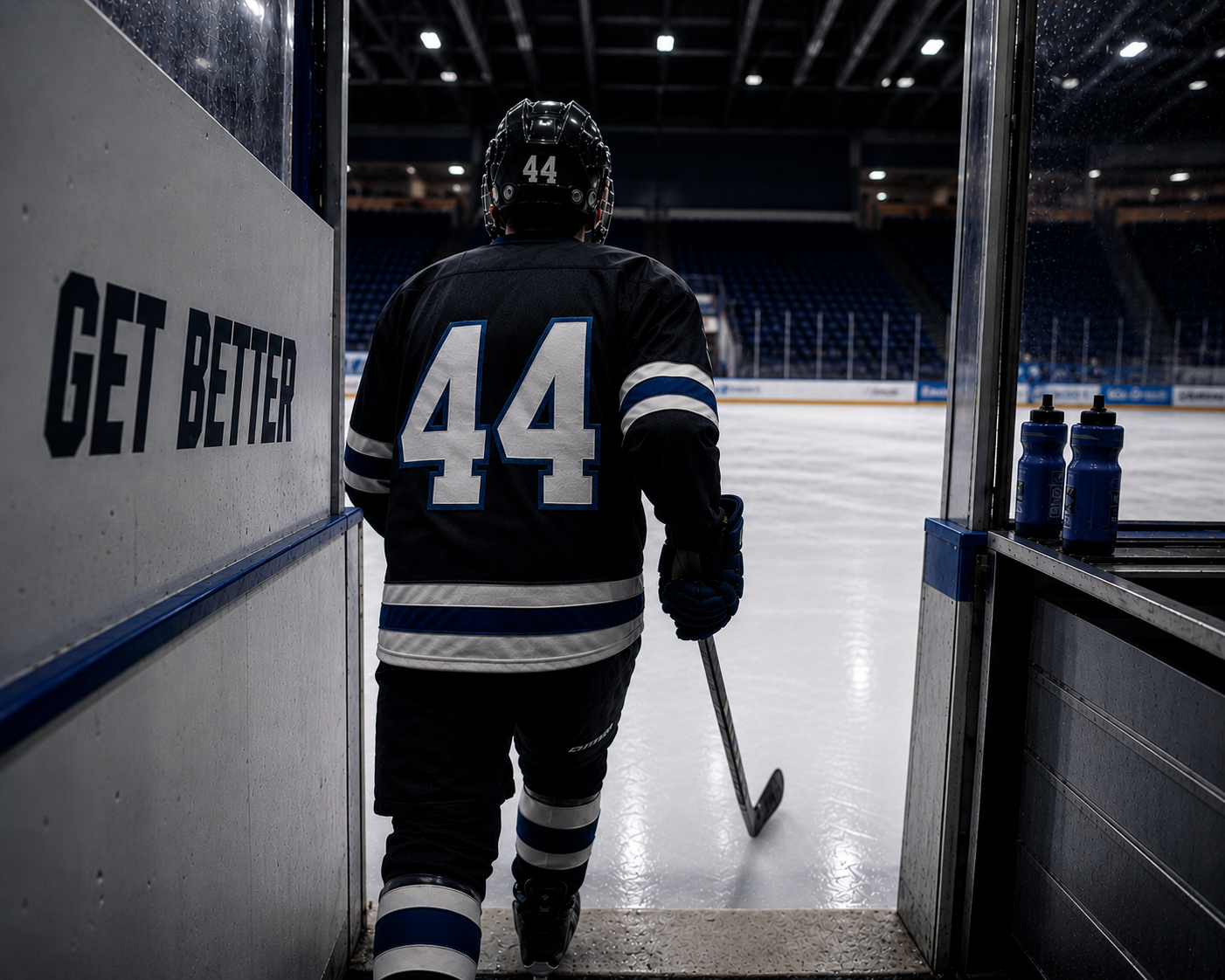
The arena teaches accountability when things don't go our way.
It teaches humility when they do.
It teaches resilience when we fall short.
And it teaches gratitude when we realize how fortunate we were to be there in the first place.
The arena has a way of revealing strengths we did not know we possessed and weaknesses we did not know we needed to address.
It reminds us that growth requires participation.
You cannot improve from the sidelines.
You cannot develop without vulnerability.
You cannot get better without first admitting there is room to improve.
The arena is where those things happen.
I've learned that failing forward is better than standing still.
Failure teaches.
Discomfort teaches.
Adversity teaches.
Standing still teaches very little.
The people who stand outside the arena preserve comfort.
The people who enter it create growth.
The Arena Is Temporary
The more experience I gain in life, the more I appreciate that every arena is temporary.
One day there is no tunnel to walk out of.
One day there are no fans in the stands.
One day there is no scoreboard.
One day there is no game to play.
Every athlete eventually skates their last shift.
Every coach eventually runs their last practice.
Every parent eventually watches their last game from the stands.
Every competitor eventually faces a final contest.
The arena does not stay with us forever.
But the lessons do.
The discipline.
The resilience.
The humility.
The accountability.
The ability to handle success without arrogance and setbacks without surrender.
Those things remain long after the lights are turned off and the crowd has gone home.
The arena was never meant to define us.
It was meant to develop us.
What Was Your Arena?
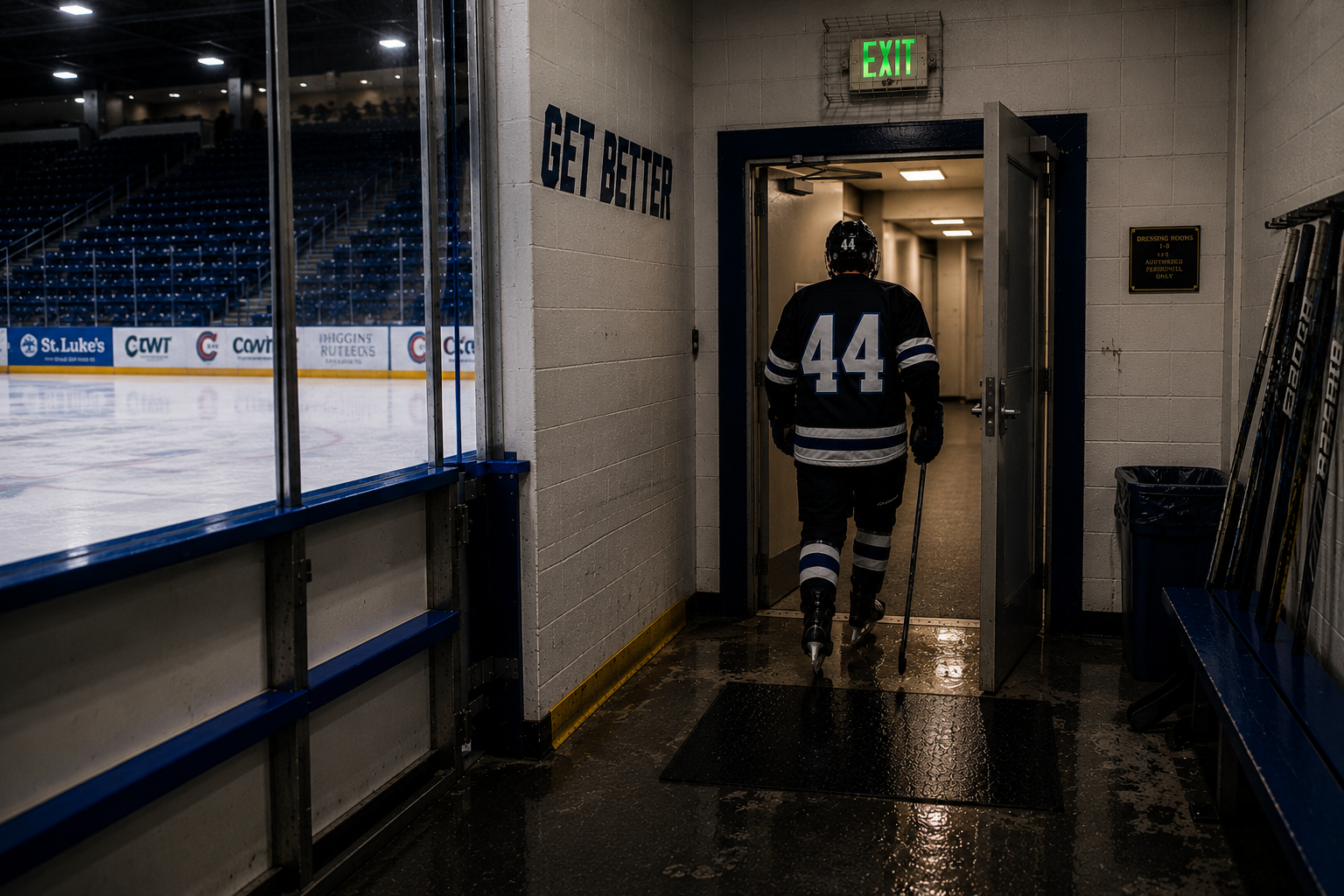
The older this quote becomes, the more relevant it seems.
Not because it gives us answers.
Because it asks us questions.
Questions about courage.
Questions about vulnerability.
Questions about growth.
Questions about what we learned from our time in the arena.
Questions that become more meaningful the longer we live.
What was your arena?
What did it teach you?
What would you do differently?
If you had one more day in it, what would you do?
What would you pay more attention to?
What would you stop worrying about?
How hard would you work?
And perhaps the most important question of all:
What lessons from your arena are you passing on to those who follow you?
To your children.
To your players.
To your teammates.
To your employees.
To your family.
Because one day the arena will be gone.
The lessons will remain.
Get Better
Maybe that's why the phrase Get Better has always resonated with me.
It assumes there is work left to do.
It assumes growth is possible.
It assumes we are willing to enter the arena again tomorrow.
To learn.
To fail.
To succeed.
To be humbled.
To grow.
Because getting better is not a destination.
It is a decision.
A decision to keep stepping into the arena.
And maybe that is why Roosevelt's words still resonate more than a century later.
Not because they are about victory.
Not because they are about failure.
But because they remind us that our lives will eventually be measured less by what we achieved and more by what we were willing to attempt.
The credit belongs to those willing to enter the arena.
The lessons belong to those willing to learn from it.
And growth belongs to those willing to return tomorrow.
About the Author
Darrell Hay is a coach, parent, and lifelong student of growth and development. He believes the greatest lessons in life are often learned inside the arena and shared long after we've left it. His mission is simple: help people get better.
