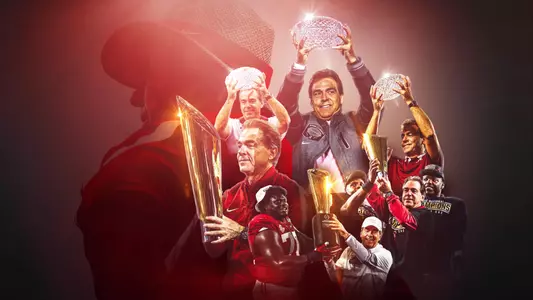
The Process: Nick Saban's Lessons in Coaching and Excellence
I've been watching ESPN's Saban documentary series, and it has been lights-out awesome.
I've always been a fan of Nick Saban. Not simply because of the national championships or the dynasty he built at Alabama. I've always been fascinated by coaches who can establish a standard, convince people to believe in it, and sustain excellence over an extended period.
Winning is difficult. Winning consistently, with different players, personalities, and generations coming through your program, is something entirely different.
What I've enjoyed most about the documentary is getting a glimpse into how Saban thinks. The flashbacks, influences, decisions, and relationships that shaped him are fascinating. He's an incredibly calculated individual. Behind the intensity is a tremendous amount of preparation and attention to detail.
He's also a hard-ass.
And I love that about him.
He does a considerable amount of what he calls "ass chewin'." And I mean a lot. But there's something interesting I've noticed throughout the documentary. He doesn't seem particularly interested in going after someone who's doing exactly what they've been asked to do and giving everything they have.
His frustration appears to come when someone knows the expectations, understands the standard, and chooses not to meet it.
Funny how that works.
The more I watch, the more I recognize similarities between Saban's philosophy, the people who influenced my own upbringing, and the lessons I've gathered throughout a lifetime in hockey.
And almost all of it comes back to two words.
The Process.
The Process Is the Point
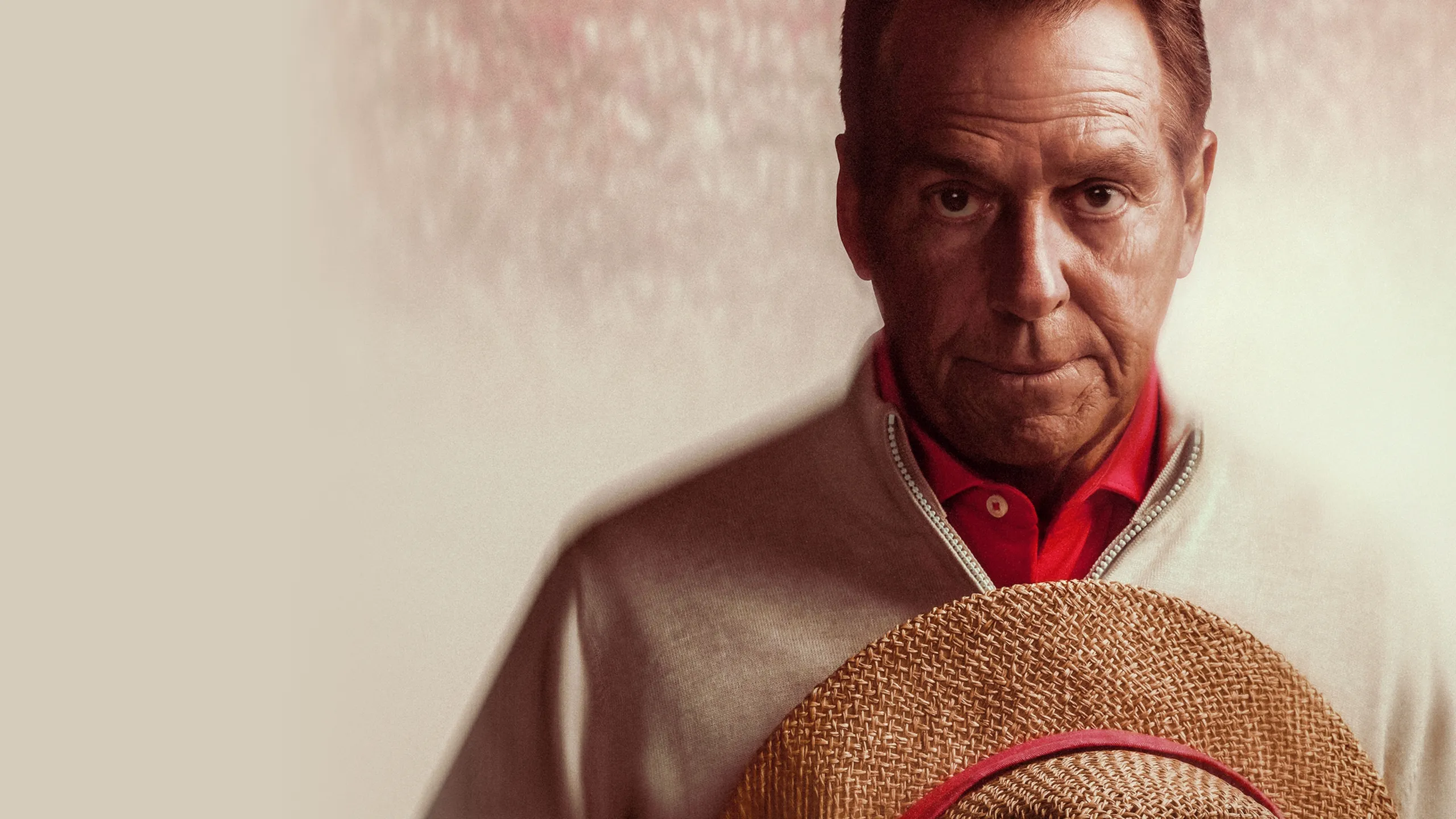
Saban continually returns to what he calls The Process. A relentless pursuit of excellence built around preparation, discipline, consistency, and attention to detail.
Not the scoreboard. Not the championship trophy. Not the recognition that comes with winning.
The work required to make those things possible.
It's a philosophy that sounds remarkably simple until you consider how difficult it is to live by every single day.
Anybody can talk about working hard or hang an inspirational slogan on a dressing room wall. Living those standards is another matter entirely.
The Process requires doing things correctly when nobody is watching. Preparing properly when you're tired. Paying attention to details that might seem insignificant. Refusing to become satisfied simply because something worked yesterday.
And maintaining those standards regardless of the outcome.
Think about how often we approach youth hockey in the opposite direction.
We become consumed with records, rankings, tournament championships, and the levels our children might reach next season. We spend so much time measuring results that we occasionally overlook the habits responsible for producing them.
Did we prepare properly? Did we improve something today? Did we give an honest effort? Were we better teammates?
Those are things we can influence.
I've been around hockey long enough to know that you can win a game and play poorly. You can also lose while making tremendous strides in your development.
Both deserve an honest evaluation.
What I appreciate about Saban is that his standard doesn't appear to change based on the result. Winning doesn't excuse poor habits, and losing doesn't automatically mean the preparation was wrong.
There's also an important distinction between excellence and perfection.
Players will make mistakes. Coaches will make mistakes. Development involves failure, frustration, and plenty of uncomfortable moments. The pursuit of excellence isn't about eliminating those experiences. It's about how we respond to them.
The Process isn't something you follow until you win. It's something you believe in regardless of whether you win.
The Hard-Ass Who Cares
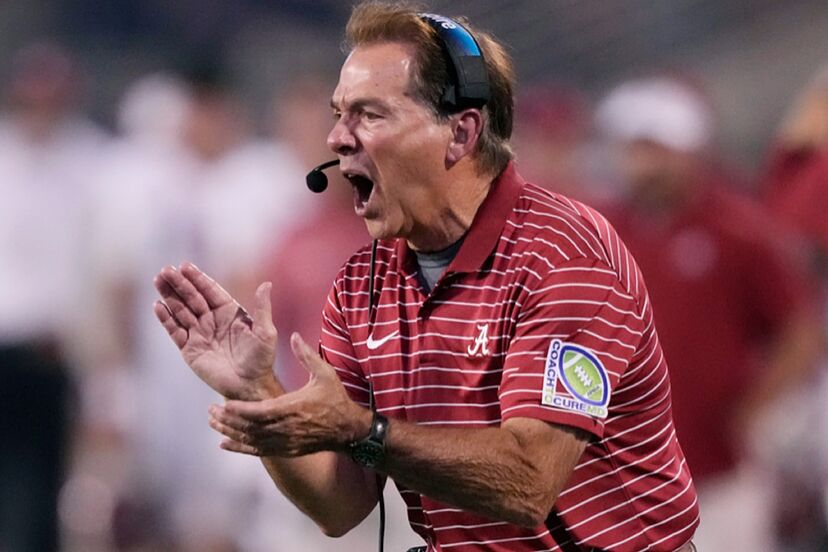
There's no shortage of footage showing Saban losing his patience with players and coaches.
The facial expressions, confrontations, and occasional explosions on the sideline are part of his reputation. The documentary certainly doesn't hide them.
But I think there's something important beneath all that intensity.
He genuinely cares about making his players better.
He's demanding, but he also appears willing to invest an extraordinary amount of himself into helping people succeed.
And that's a distinction I have tremendous respect for.
It's easy to demand more from someone. It's considerably harder to provide the teaching, encouragement, and individual attention necessary to help them meet those expectations.
I've always believed there's a difference between a player who can't do something and a player who won't do something.
The first needs instruction, patience, and development.
The second might need a conversation about accountability.
Sometimes both need a little of each.
Not every player has the same physical tools, skill level, confidence, or ability to process information. Particularly in youth hockey, we're dealing with young people at entirely different stages of development.
You cannot reasonably demand that every player perform at the same level. But you can establish expectations around preparation, attitude, listening, effort, and being a good teammate.
Those things are available to everybody.
Watching Saban has also reminded me of something a mentor once told me.
"Rather have one to the head than four to the chest."
It's a pretty graphic expression, but the lesson was about being direct.
Get to the point. Say what needs to be said. Have the uncomfortable conversation instead of dancing around an issue and allowing it to grow into something considerably bigger.
I've always appreciated people who communicate that way. You might not like what they're telling you, but at least you know where you stand.
That said, being direct doesn't automatically make someone a good communicator. Raising your voice doesn't necessarily make your message more effective, either.
There's a significant difference between coaching a developing 12-year-old and coaching a college athlete competing for a national championship.
We have to understand our audience.
The point isn't to imitate every Saban outburst or suggest that chewing someone out is evidence of caring.
It's understanding that honest feedback, accountability, and genuine investment can exist together.
Players should know that corrections come from a desire to help them improve, not simply from a coach expressing frustration.
If you're going to demand more from your players, you'd better be willing to give more of yourself as their coach.
Accountability without investment is just criticism.
A Calculated Mind and a Lifetime of Lessons
Another fascinating part of the documentary is just how calculated Saban is.
Listening to him explain the thinking behind his decisions is almost as interesting as watching the decisions themselves.
The preparation, anticipation, and way he evaluates situations and considers their consequences give you an appreciation for how his mind works. Much of what might appear spontaneous from the outside has been influenced by years of experience.
There's a method behind the madness.
What I particularly enjoy is hearing about the people who helped shape that method.
Saban didn't develop his philosophy in isolation. He learned from mentors, colleagues, other coaches, and the experiences accumulated throughout his career.
I think that's something every coach should appreciate.
Nobody has all the answers.
I've been fortunate to spend an enormous amount of my life around hockey, playing for different coaches, experiencing different cultures, and witnessing countless approaches to leadership.
You collect ideas along the way.
Some you adopt immediately. Others take years before you fully appreciate them. And some simply don't fit your personality or the environment you're responsible for.
That's part of developing as a coach.
I don't believe there's one perfect coaching personality. Some of the best coaches I've encountered have been relatively quiet. Others have been extraordinarily intense.
What matters is whether there's substance behind the approach.
Can you explain why you're doing something? Are you prepared to adjust when circumstances change? Are you continuing to learn, even after experiencing success?
And perhaps most importantly, are your decisions being made for the benefit of the players and the program rather than your own ego?
You don't have to agree with every Saban decision or method to appreciate the thought that goes into his philosophy.
There's a difference between having a coaching personality and having a coaching philosophy.
Saban certainly has both.
Nick Sr. and Don
One of the more personal connections I've made watching the documentary involves Saban's relationship with his father, Nick Sr.
I couldn't help but think about my own father, Don.
Two men from different sports and different communities, but with some interesting similarities.
Both were influential figures in the communities they helped lead. Both were demanding, competitive, and passionate about what they did. Both believed in preparation, accountability, and doing things properly.
And both passed along their wisdom, intensity, and love of competition to their sons.
That's the part that really resonates with me.
When you grow up around someone whose life revolves around competition, you absorb considerably more than the technical aspects of a sport.
You learn a way of thinking.
You learn that preparation matters. That details matter. That effort is expected and that there are standards attached to whatever you're doing.
You learn that winning is important, but that the habits required to win are developed long before anyone starts keeping score.
And sometimes those lessons are delivered a little more forcefully than you might have preferred.
I can certainly relate to that.
Growing up with Don as my father gave me a unique perspective on hockey, coaching, and the expectations that come with competing.
It didn't mean I always agreed with him. It certainly didn't mean I appreciated every lesson at the time.
But as I've grown older, and particularly as I've spent more time coaching myself, I've developed a greater appreciation for the standards he established and the work required to maintain them.
The attention to detail. The competitive nature. The belief that if something is worth doing, it's worth doing properly.
Those things stay with you.
Watching Saban reflect on his father has reminded me how much of our coaching philosophy is influenced by the people who raised us.
We eventually develop our own identities, borrow ideas from others, and learn through our own successes and failures. But those early influences never completely disappear.
I'm certainly not comparing my coaching resume to Nick Saban's. I'm recognizing something familiar in the relationship between a father, a son, and the values passed from one generation to the next.
Nick Sr. and Don made an impact on their respective communities, and their influence extended well beyond their own families.
Their sons carried those lessons into their own lives.
The personalities might change. The methods might evolve. But the standards have a way of surviving generations.
Promise the Work, Not the Prize
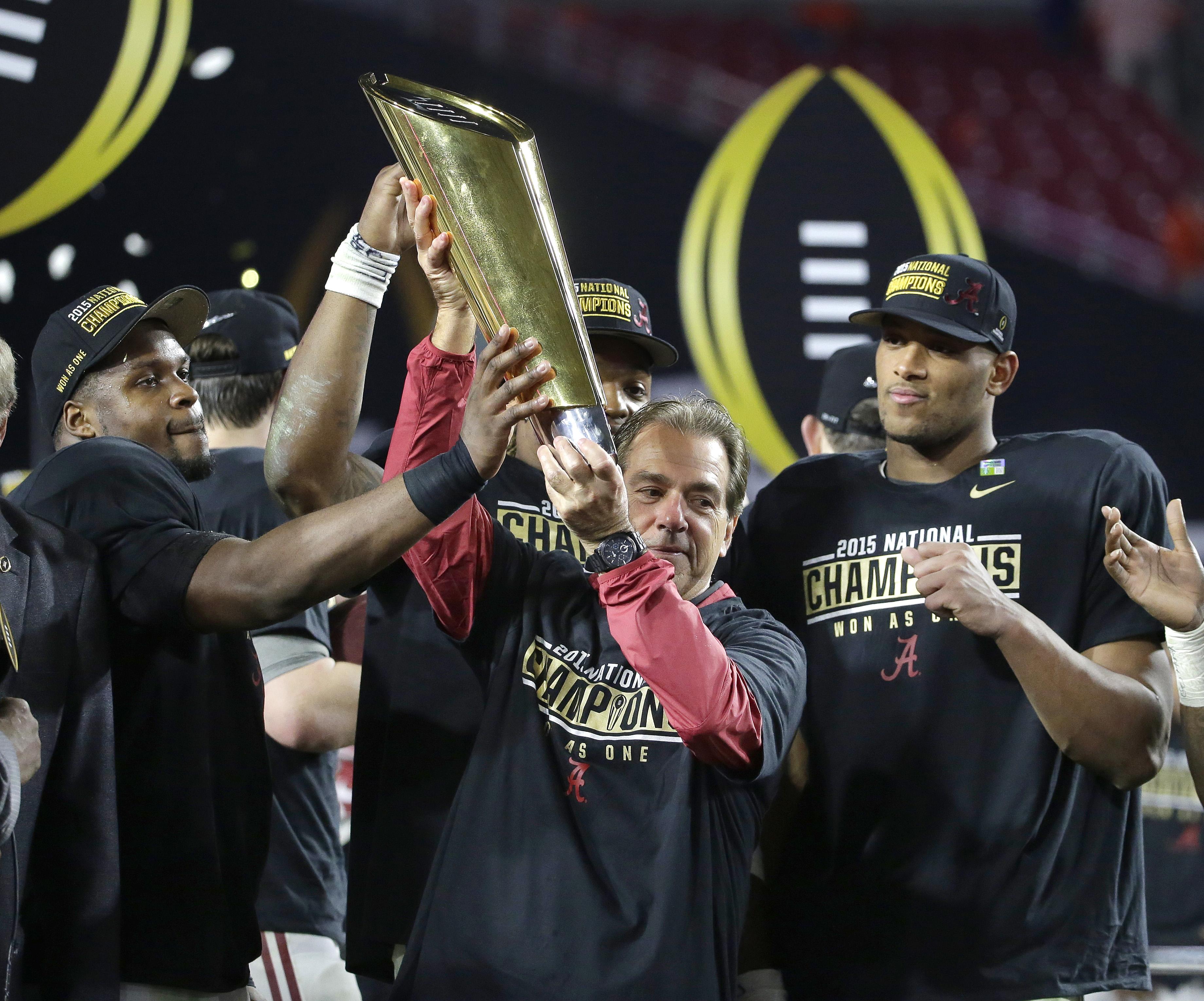
One of the original things that drew my attention to Saban's philosophy was his approach to recruiting.
I came across a breakdown of several principles from his recruiting process, and one idea in particular stood out.
Promise the work, not the prize.
Don't promise someone a starting position, a championship, or an outcome you cannot guarantee.
Show them the environment. Explain the expectations. Demonstrate the opportunities available and let them decide whether they're prepared to make the commitment.
I think there's a tremendous lesson here for youth hockey.
We spend an enormous amount of time promoting programs through schedules, tournaments, jerseys, coaching staffs, and the possibility of advancement.
Families understandably want to know what they're investing in. But sometimes we spend too much time selling the destination and not enough time explaining the journey.
As a coach, I can promise to prepare, teach, challenge, and invest in the players who commit to our program.
I can explain our expectations and what comes with being part of our team.
What I cannot honestly promise is how good someone will become, what role they'll eventually earn, or where their hockey career might take them.
There are simply too many variables.
And that's where Saban's philosophy connects to everything else we've discussed.
The Process is the promise.
The coaching, competition, and commitment to improvement are what an organization should be selling. Not guarantees about the outcome.
And that promise doesn't end when tryouts are finished and the jerseys are handed out.
If anything, that's when the responsibility becomes greater.
Players and families have made a commitment to your organization. Now it's your responsibility to provide the environment you told them they were joining.
Are we delivering quality instruction? Are we communicating honestly? Are we challenging players appropriately? Are we continuing to invest in their development?
Those questions should matter throughout the entire season, not simply when we're trying to attract players for the next one.
You don't build a worthwhile program by convincing people to join.
You build it by making their commitment worthwhile.
The Standard Remains
The more I watch Saban, the more I appreciate that his success wasn't built around a magical system, a motivational speech, or one particularly talented group of athletes.
It was built around a relentless commitment to a philosophy.
The Process.
Behind that philosophy are decades of lessons passed down through mentors, coaches, family, and personal experiences.
That's what I find most interesting.
We often look at successful coaches and focus on what they've won. Championships, records, trophies, and accolades.
But the longer I'm involved in sports, the more interested I become in understanding how they think.
What drives them? What influenced them? What are they unwilling to compromise? How do they respond when things go wrong?
Those answers tell you considerably more about a coach than the scoreboard ever will.
I admire Nick Saban because he's demanding, calculated, competitive, and direct. But I respect him even more because of the commitment he demonstrates toward helping his players succeed.
You can question individual methods, disagree with decisions, and still appreciate the philosophy behind the man.
And perhaps that's one of the great things about studying successful people.
You don't have to become them.
You can learn from them.
I'm still learning. I continue to borrow ideas, reflect on experiences, and recognize lessons from people who influenced me long before I ever became a coach.
Some came from hockey dressing rooms around the world. Some came from mentors along the way.
And an awful lot of them came from Don.
The older I get, the more I appreciate those influences and the responsibility of passing along the lessons worth keeping.
Because in the end, we're not simply preparing players for their next game. We're helping them develop habits, attitudes, and values they can carry long after their playing days are finished.
Winning matters. Competition matters. The pursuit of excellence matters.
But none of those things happen by accident.
You don't promise the result. You commit to the work.
You don't chase excellence for a season. You make the pursuit part of who you are.
That's The Process.
And I absolutely love it. 🏒
About the Author
Darrell Hay has always been a sucker for a good sports documentary. The Last Dance was must-watch television, and ESPN's Saban series has quickly joined the list. He's fascinated by the personalities, relationships, and behind-the-scenes decisions that make great coaches and teams tick.
He still bleeds Boise State blue, although he'll admit he's been Rolling Tide for the last handful of episodes.
His favorite part? Watching the relationship between Nick Saban and Lane Kiffin unfold. Two brilliant football minds with two very different personalities. Like watching them try to put out fires with gasoline. Somehow, they kept winning football games. Absolutely fascinating television.
And somewhere between the ass chewings, the championships, and The Process, he found himself taking notes for hockey practice.
