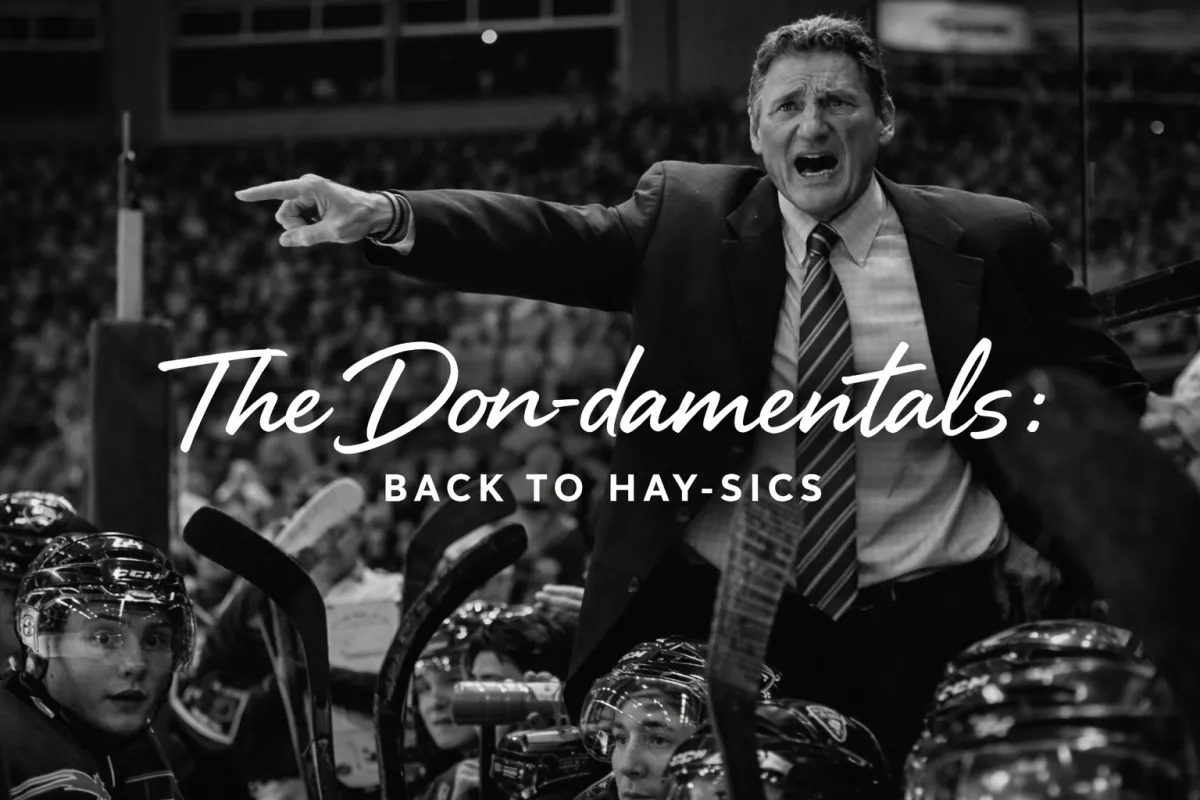
The Don-damentals: Back to Hay-sics
There are a lot of voices in hockey today.
Skills coaches. Development models. Social media clips that make the game look faster, flashier, and more creative than ever before.
And to be fair, the game has evolved.
The pace is higher. The skill level is ridiculous. The creativity on display is something every generation before this one helped build toward. Players are more skilled than ever. Coaches have more tools than ever. The presentation of development has changed dramatically.
But underneath all of it…
nothing has really changed.
That’s something I learned long before “skills coaching” became a full-time industry.
I learned it from Don Hay.
Before It Was Trendy
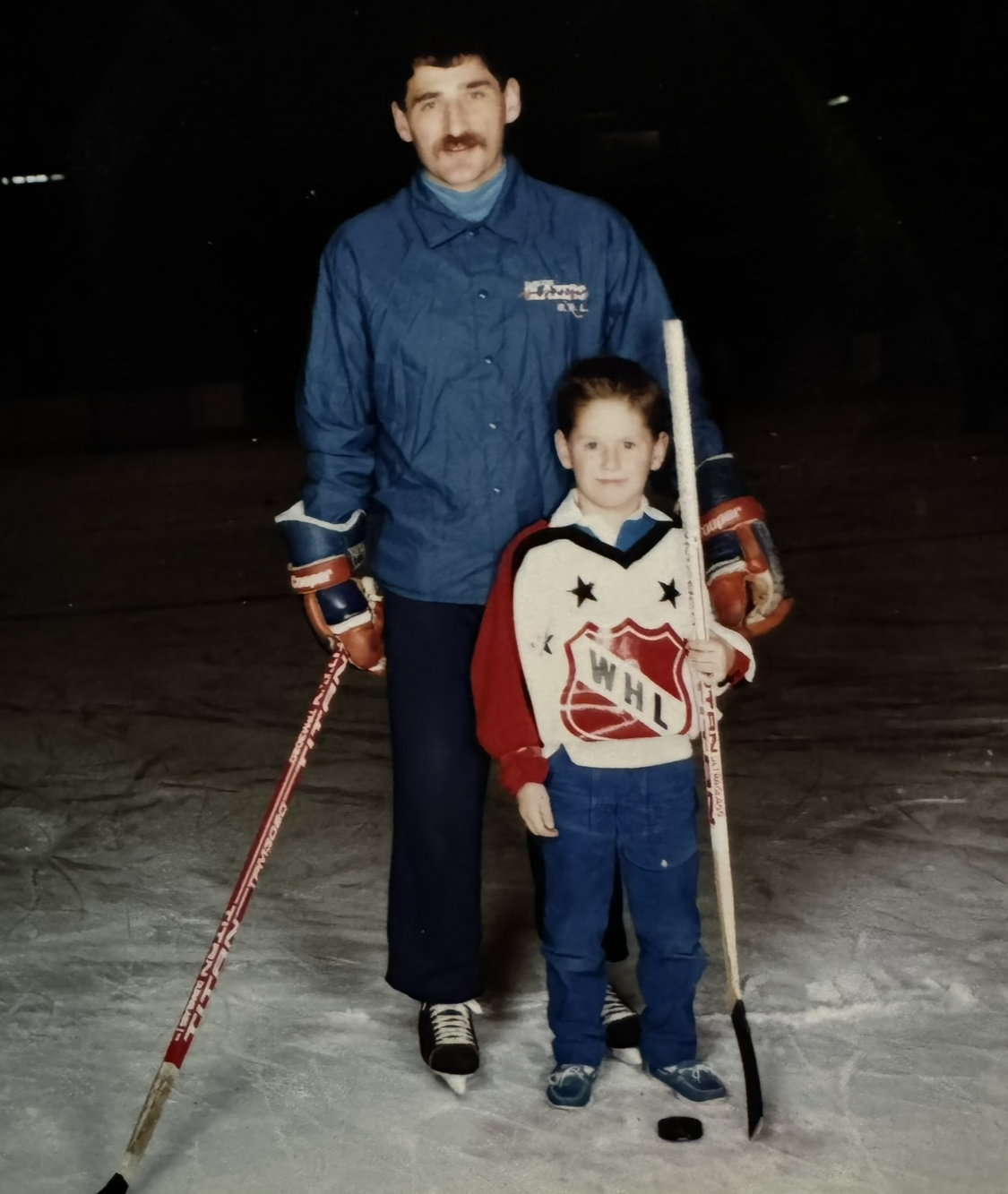
Today, you can find a skills coach on just about every sheet of ice.
Edges sessions. Stickhandling patterns. Overspeed drills. Synthetic ice. Resistance bands. Gadgets. Video review. Hockey science projects that look like NASA designed them.
There’s value in all of it.
The game should evolve. Teaching should evolve. Development should evolve.
But growing up, we didn’t call it “skills training.”
We called it fundamentals.
I didn’t grow up thinking I was learning some revolutionary approach to hockey. There weren’t fancy names attached to things. There weren’t social media clips breaking down edge work in slow motion with dramatic music playing behind it.
It was just hockey.
It was just how the game was explained to me.
Looking back now, I realize I was learning from one of the best teachers the game has ever seen. But when you’re a kid, you don’t really think about that.
You just think everybody’s dad blows the whistle 900 times teaching defensive zone rotation.
I still teach DZ rotation the exact same way Dad taught it when I was 12 years old and again later in Tri-City. Blow the whistle. Point. Reset it. Do it again.
Apparently the apple doesn’t fall very far from the tree.
The Don-damentals
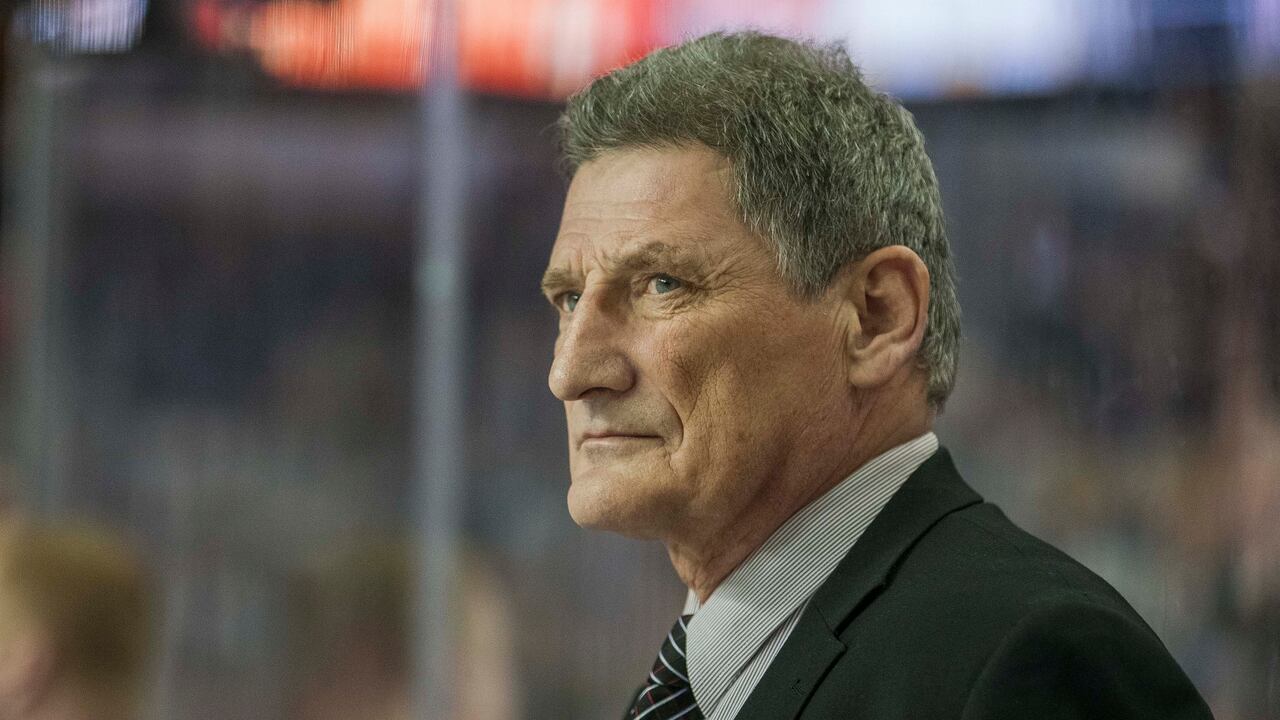
Somewhere along the way, I started calling them the “Don-damentals.”
Not because they’re different.
Because they’re not.
That’s the whole point.
They’re the same principles that have always driven the game:
Skating is still skating. Two edges. Balance. Control.
Passing is still passing. Timing. Accuracy. Touch.
Shooting is still shooting. Mechanics. Weight transfer. Release.
Hockey sense is still hockey sense. Read. React. Anticipate.
Simple doesn’t mean easy.
And it definitely doesn’t mean outdated.
That’s one thing I think younger players struggle with today. In a world built around stimulation and highlights, simple can feel boring.
But boring is often where greatness gets built.
Nobody wants to post the thousandth perfectly executed pass online. Nobody gets excited about proper weight transfer or shoulder checking before touching a puck.
But over time, those details become habits.
And habits travel.
The Ability to Stay Curious
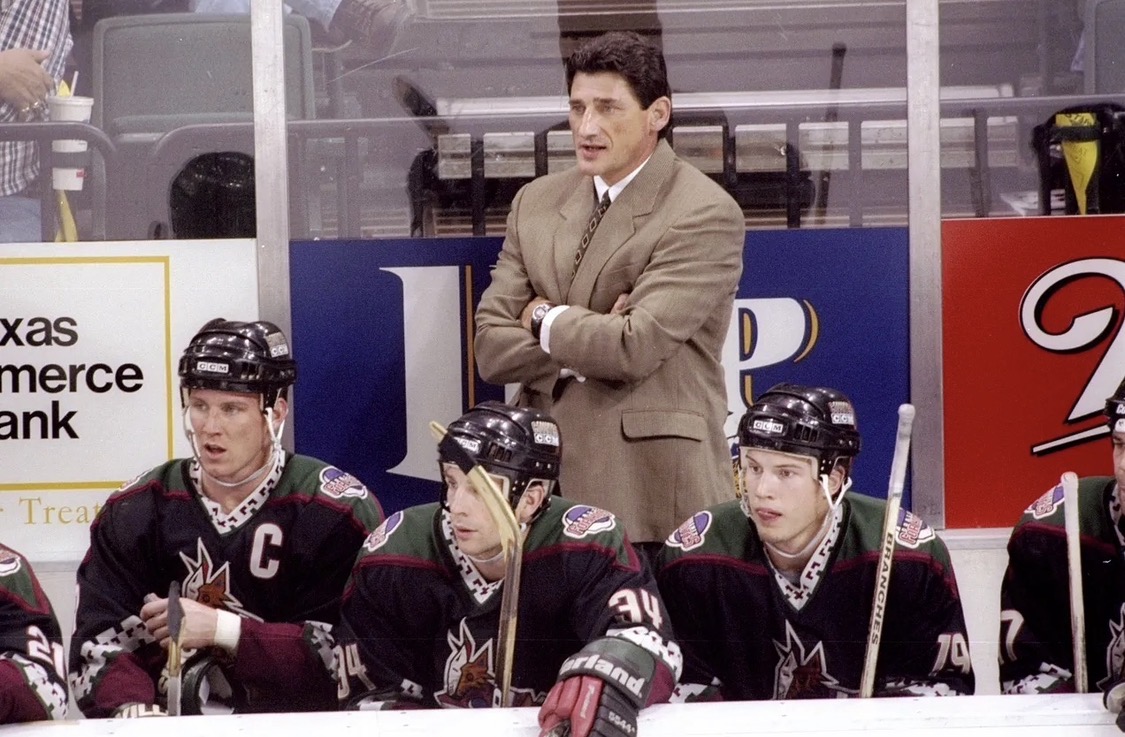
One thing that always separated Dad from other coaches was how curious he stayed.
And not fake-curious either.
Genuinely curious.
It didn’t matter who was on the ice. A former pro working on picking pucks off the wall. A face-off guy working on executing draws. An NHL skills coach coming in to work with a draft pick. Dad would shadow them around the rink like he was up for defensive player of the year.
Listening.
Watching.
Asking questions.
Absorbing details.
Picking up language.
The interesting part is most people would assume a guy who coached as long as he did would eventually think he had all the answers.
That was never him.
If anything, he became more thirsty for understanding over time.
I think that’s one of the reasons players respected him so much. The investment was always about helping them, not helping himself.
Dad was never chasing information to sound smart.
He was chasing it because somewhere down the line it might help one of his players.
What always amazed me was how he could take something incredibly complicated and turn it into something simple enough for players to immediately understand.
It was like watching thermodynamics somehow become primary colors.
Red and blue make purple.
Simple.
Clear.
Repeatable.
It’s astonishing how much hockey knowledge Dad has forgotten that most people will never know.
Clark Kent
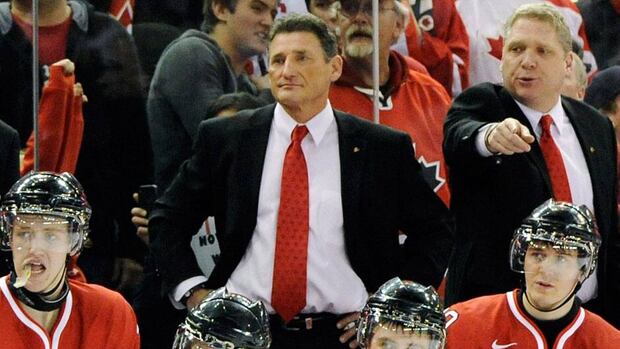
What I have come to appreciate growing up around Dad was that the hockey world saw one version of him, and we saw another.
Everybody else saw the guy with Memorial Cups, NHL players, and championship teams.
We saw Clark Kent.
The same guy who could command a bench in front of thousands was also the guy methodically cutting the lawn in perfectly straight lines, pulling weeds, following routines with near-scientific precision, and basically operating like a human Swiss watch.
You could set every clock by him.
Especially when I’d spend time around him before heading over to Europe to play. Same timing. Same habits. Same routine. Same process.
If Dad was ever five minutes off schedule, the family probably assumed civilization was collapsing.
The thing that stands out is there probably wasn’t much separation between how he coached hockey and how he lived life.
Everything had structure.
Everything had purpose.
Everything had details.
And somewhere along the way, a lot of that wiring ended up in me too.
Which explains a lot.
Buying Into Boredom
The foundational stuff usually isn’t the stuff kids enjoy most.
It’s kind of like eating vegetables or stretching.
You don’t always appreciate it in the moment, but over time those choices start building something.
That’s why I think one of the most important skills for players is learning how to buy into boredom.
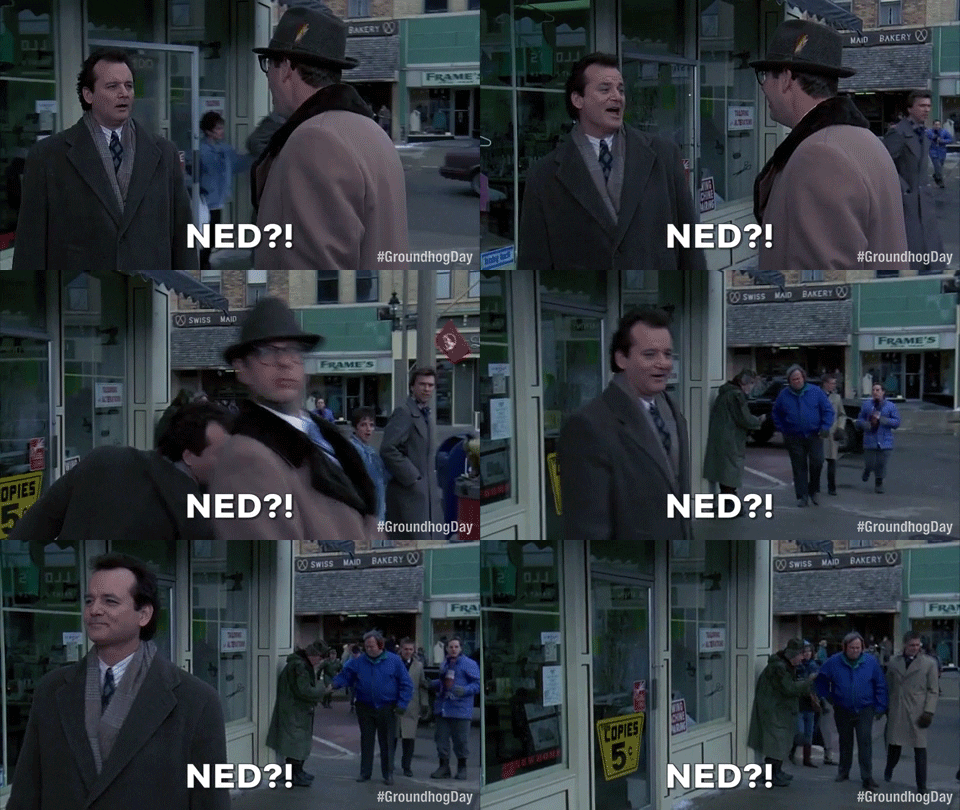
Because hockey can feel like Groundhog Day sometimes.
“Ned? Ned Ryerson?!”
Same rink.
Same drills.
Same habits.
Same repetition.
Most players eventually get tired of repetition before repetition has a chance to work.
But the players who fall in love with the process usually separate themselves over time.
Dad was always wired like that.
Routine didn’t drain him. It sharpened him.
And his teams reflected that.
A Game That Travels
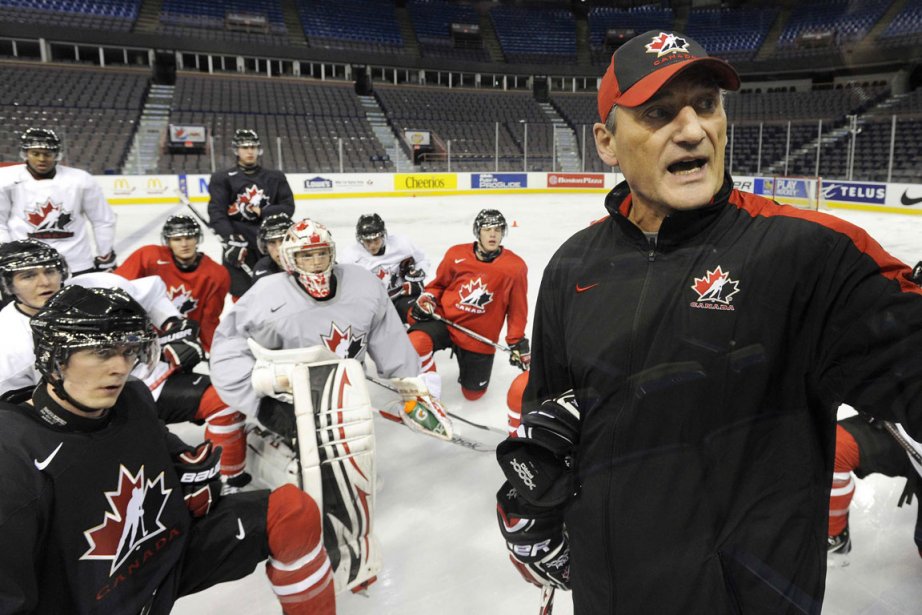
The game has evolved, but the players who succeed at every level still share the same foundation.
They can skate.
They can think.
They can execute under pressure.
And most importantly, their game travels.
That phrase means more to me now than it did when I was younger.
A game that travels is really asking:
Can you still execute when conditions aren’t perfect?
Can you win on the road? After a long bus ride? An average pre-game meal? A loud building? A team that pressures you all night? A game where you don’t have your A-game physically? Your third game in three nights?
That’s where habits show up.
That’s where a lot of Dad’s teams separated themselves.
They were always competitive- whatever the situation.
They found ways to get points.
They stayed structured.
They stayed reliable.
That’s usually the signature of a well-coached team because consistency is hard at higher levels.
The game exposes shortcuts eventually.
That’s why fundamentals matter so much.
Not because they look exciting.
Because they hold together when things get difficult.
The Small Things
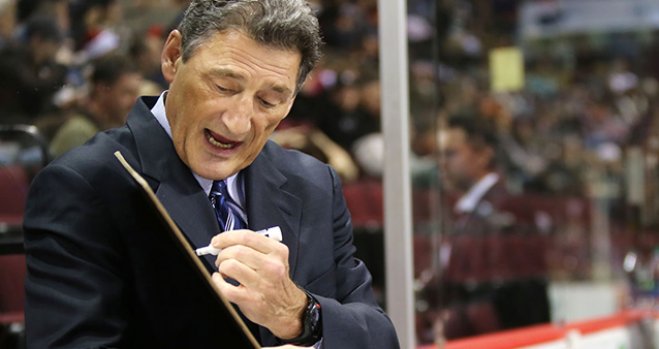
Looking back now, one thing that stands out most about Dad is what he chose to remember.
You’d think after coaching so many NHL players and championship teams the stories would always revolve around stars or huge moments.
But they usually didn’t.
Dad was always more likely to talk about:
a key faceoff win
a blocked shot
somebody taking a hit to get a puck out
a player doing something properly away from the puck
Little things.
The details most people walk right past.
Dad picked them up like pennies and saved them.
I think that’s why players respected him so deeply.
Because they knew he saw them.
Not just the points.
Not just the stars.
Not just the headlines.
The sacrifice.
The detail.
The habits.
The commitment to the team.
The investment always felt genuine.
He cared about helping players improve because he genuinely cared about the players themselves.
That’s a pretty important difference.
The Don-damentals Travel
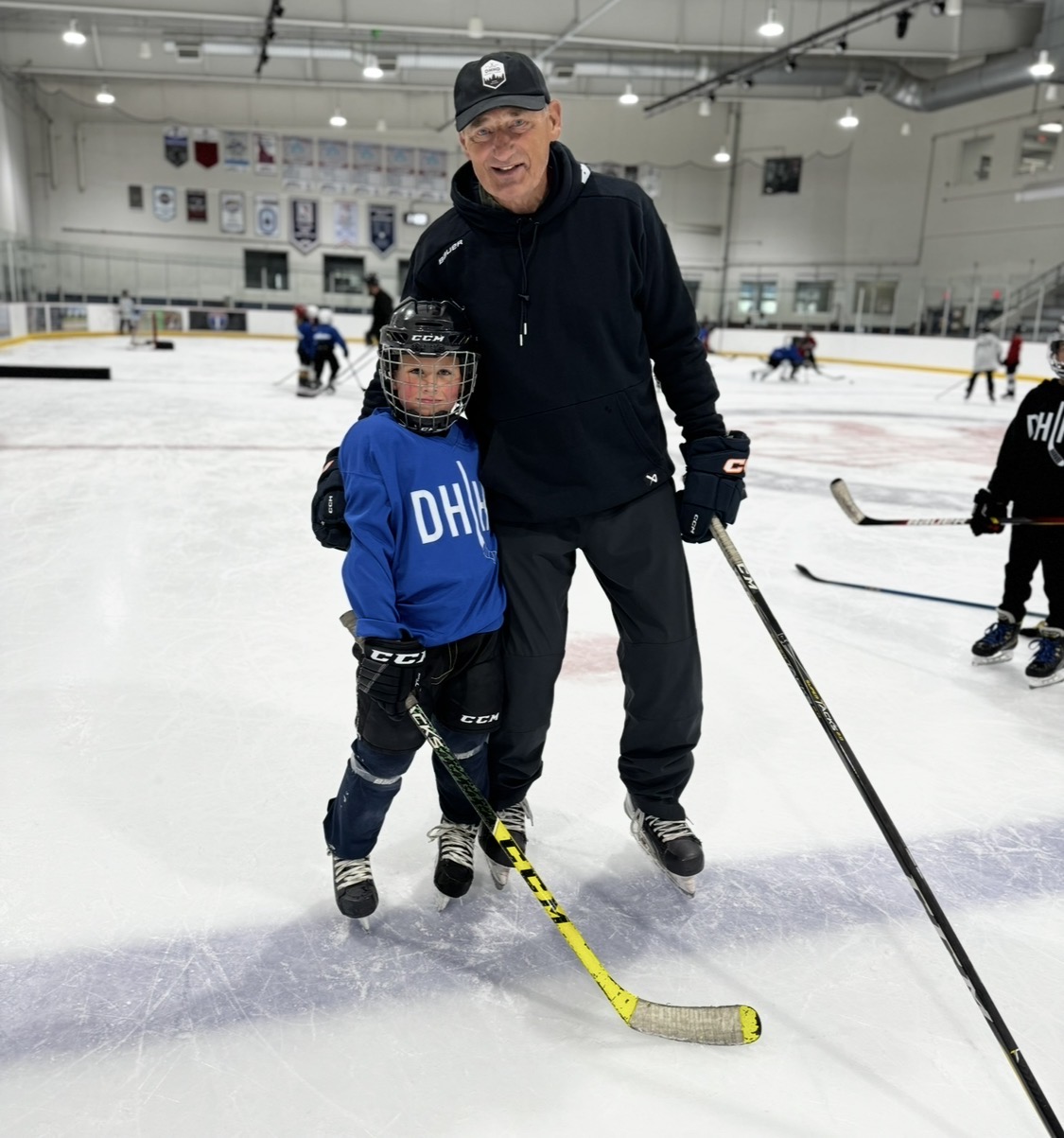
Somewhere along the way, I stopped realizing I was stealing drills from Dad and started realizing I was stealing entire teaching habits.
The structure.
The repetition.
The curiosity.
The obsession with details.
The appreciation for little plays that quietly win hockey games.
Surprisingly enough, what the hockey world probably saw as “Don Hay the coach,” mostly just looked like normal life around our house.
Routine.
Consistency.
Preparation.
Showing up properly.
Doing things the right way even when nobody notices.
The hockey world saw the guy with the red cape and the S on his chest.
We mostly saw Clark Kent.
The same guy who coached Hall of Fame players was also the guy cutting the lawn in straight lines, asking a skills coach questions for 45 minutes after practice, or remembering a blocked shot from November like it happened yesterday.
That’s probably why his teams played the way they did.
Not because of magic systems or speeches.
Because players knew the investment was real.
And because the habits being taught weren’t just hockey habits.
They were life habits disguised as hockey fundamentals.
The Don-damentals. 🏒
About the Author
Years later, the same teaching points still echo around the rink.
Whistle. Reset. Do it right.
Some habits stick a little harder when they’ve been repeated your entire life.
Turns out growing up around the Don-damentals has a way of following you into your own coaching, your own routines, and apparently even your lawn mowing methods.
Happy Father's Day
Before I go, I want to wish all the dads, grandpas, stepdads, coaches, and father figures out there a very Happy Father's Day.
Hockey has always been one of the greatest ways to bring parents and kids together. Some of my favorite memories started in a driveway in Kamloops pretending to be Wayne Gretzky after a mandatory rendition of O Canada. They continued on the couch watching Hockey Night in Canada, in countless car rides to practices and games, and over more than a few stops at Tim Hortons along the way.
The game has a special way of creating memories that have very little to do with the scoreboard. Years later, it's usually the people, the conversations, and the time spent together that stay with us.
Wherever hockey takes you and your family, enjoy the journey and enjoy the game.
Happy Father's Day!
