More Than a Hard Hat: Why Hockey’s Best Post-Game Awards Tell You Everything About a Team
Walk into enough hockey dressing rooms and eventually you’ll find it.
Maybe it’s a hard hat.
Maybe it’s a firefighter helmet.
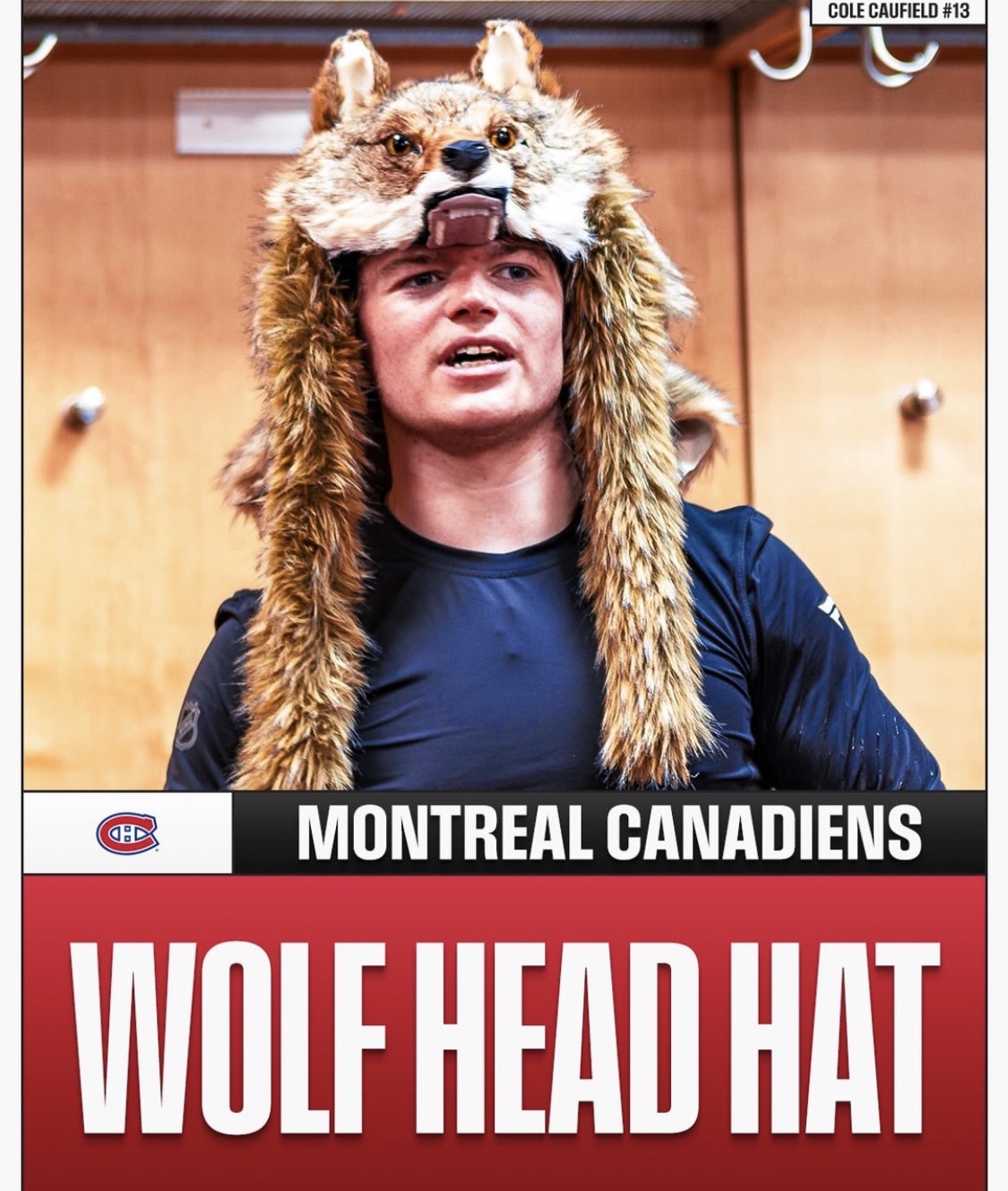
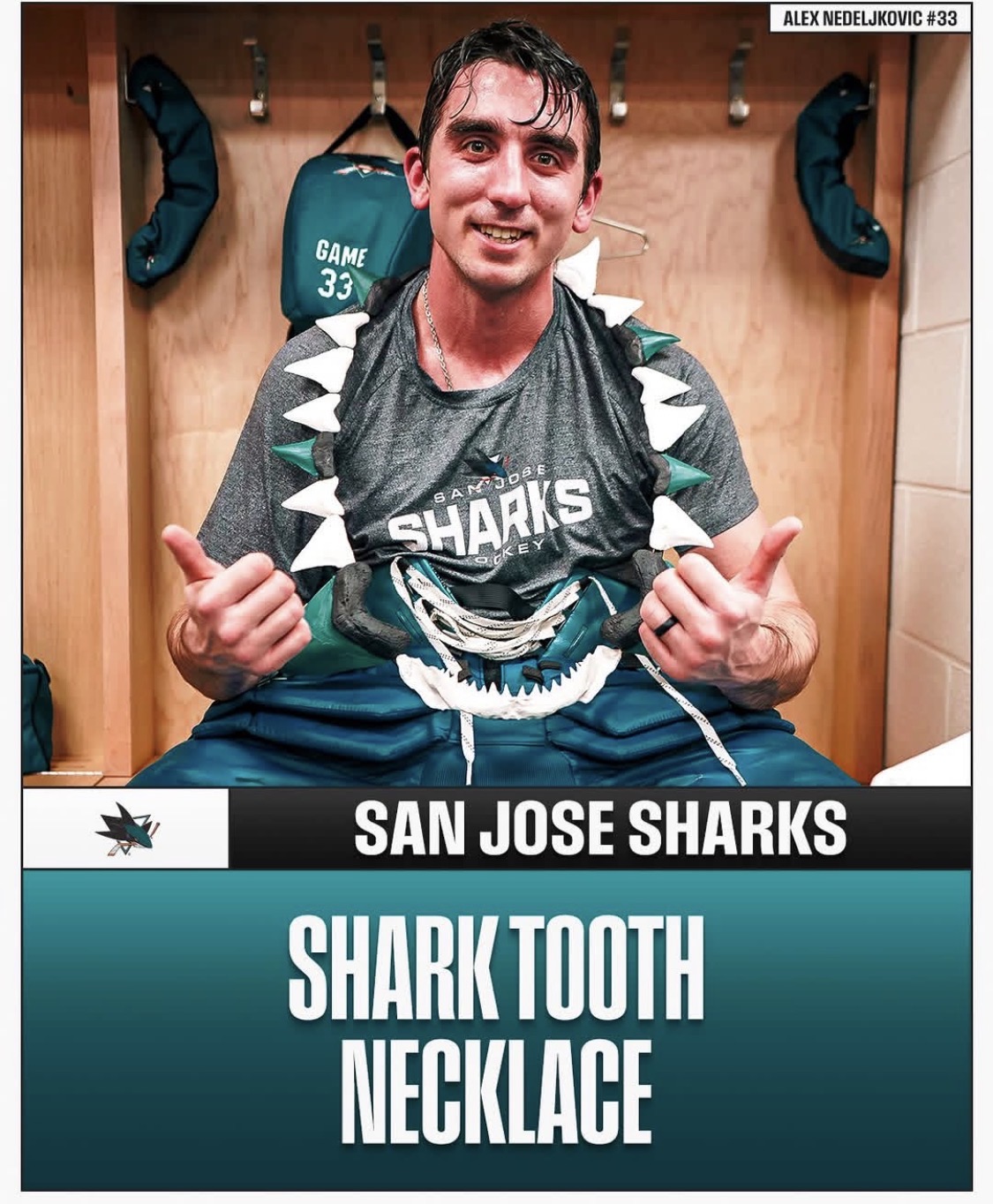
Maybe it’s a wrestling belt, a rope, a pilot jacket, a wolf head hat, a steelworker helmet, a shark tooth necklace, or what appears to be something stolen directly from a Marvel movie.
To outsiders, it looks ridiculous.
To the room, it means everything.
Post-game awards have become one of hockey’s best traditions, not because of the object itself, but because of what it represents.
It’s the ultimate sign of respect.
It’s recognition from your teammates, not your coach.
And in hockey, that matters more.
The best post-game awards aren’t about stat sheets. They aren’t always for the player with the goals or the highlight-reel play. Sometimes they go to the guy who blocked four shots, won every wall battle, fought through a broken hand, or simply dragged the group emotionally into the fight when the game needed it.
Sometimes it goes to the guy who did the dirty work.
Sometimes it goes to the guy who helped the team survive itself.
And sometimes, yes, it goes to the guy wearing a shark jaw around his neck while everyone screams like they just won WrestleMania.
That’s hockey.
It Started With the Hard Hat
For years, the hard hat was the gold standard.
Simple. Blue collar. Honest.
You earned the hard hat because you went to work.
You punched the clock.
You didn’t need pretty. You needed results.
It symbolized the kind of player every coach trusts—the one who shows up on time, plays through pain, finishes checks, wins races, and never needs a motivational speech.
The guy who probably says six words all season and all six of them matter.
But over time, teams started evolving the tradition.
The hard hat became personalized.
The award started reflecting not just effort, but identity.
And that’s where it got really interesting.
The Award Becomes the Story
Some teams lean into superheroes.
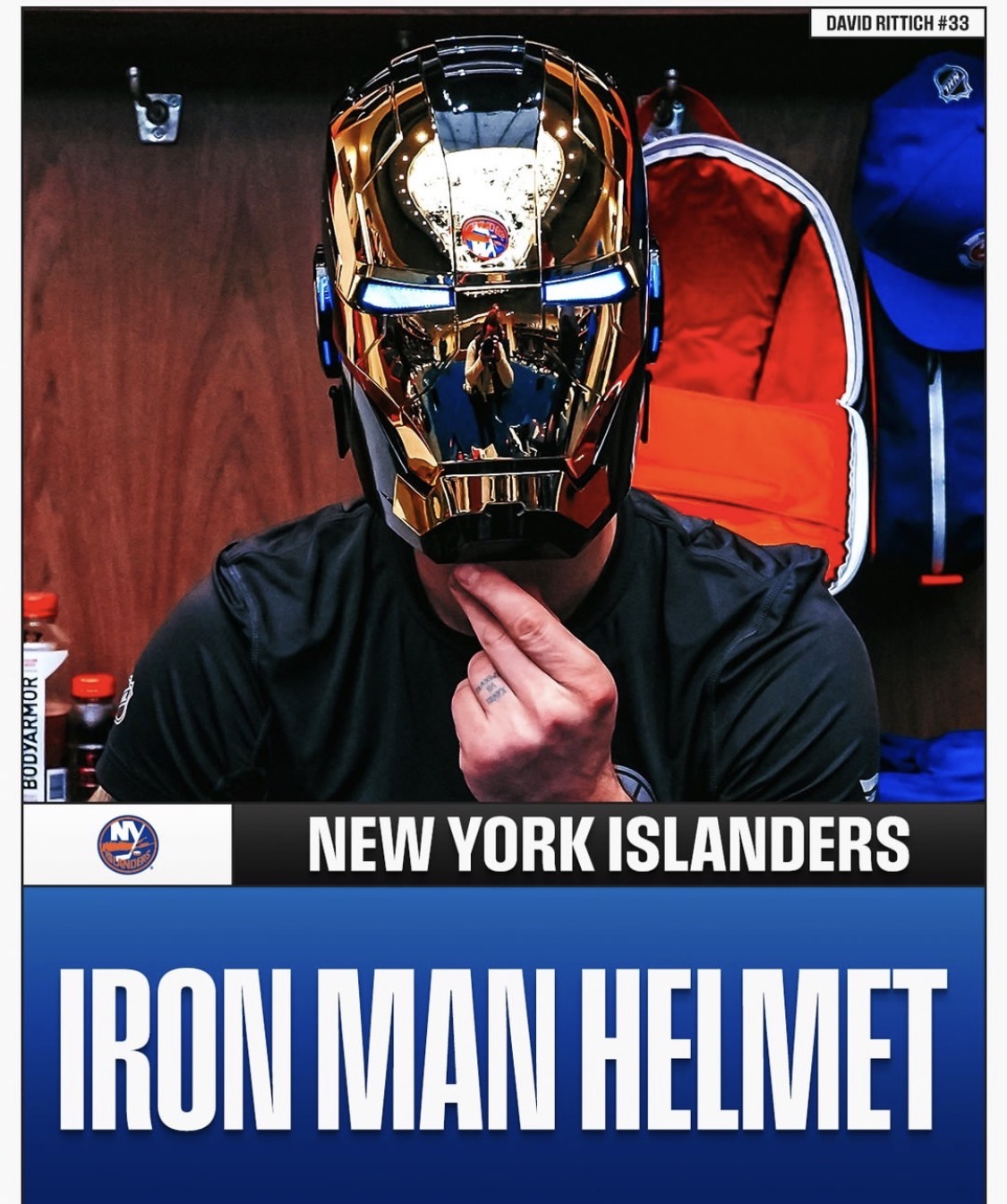
The Islanders handing out an Iron Man helmet.
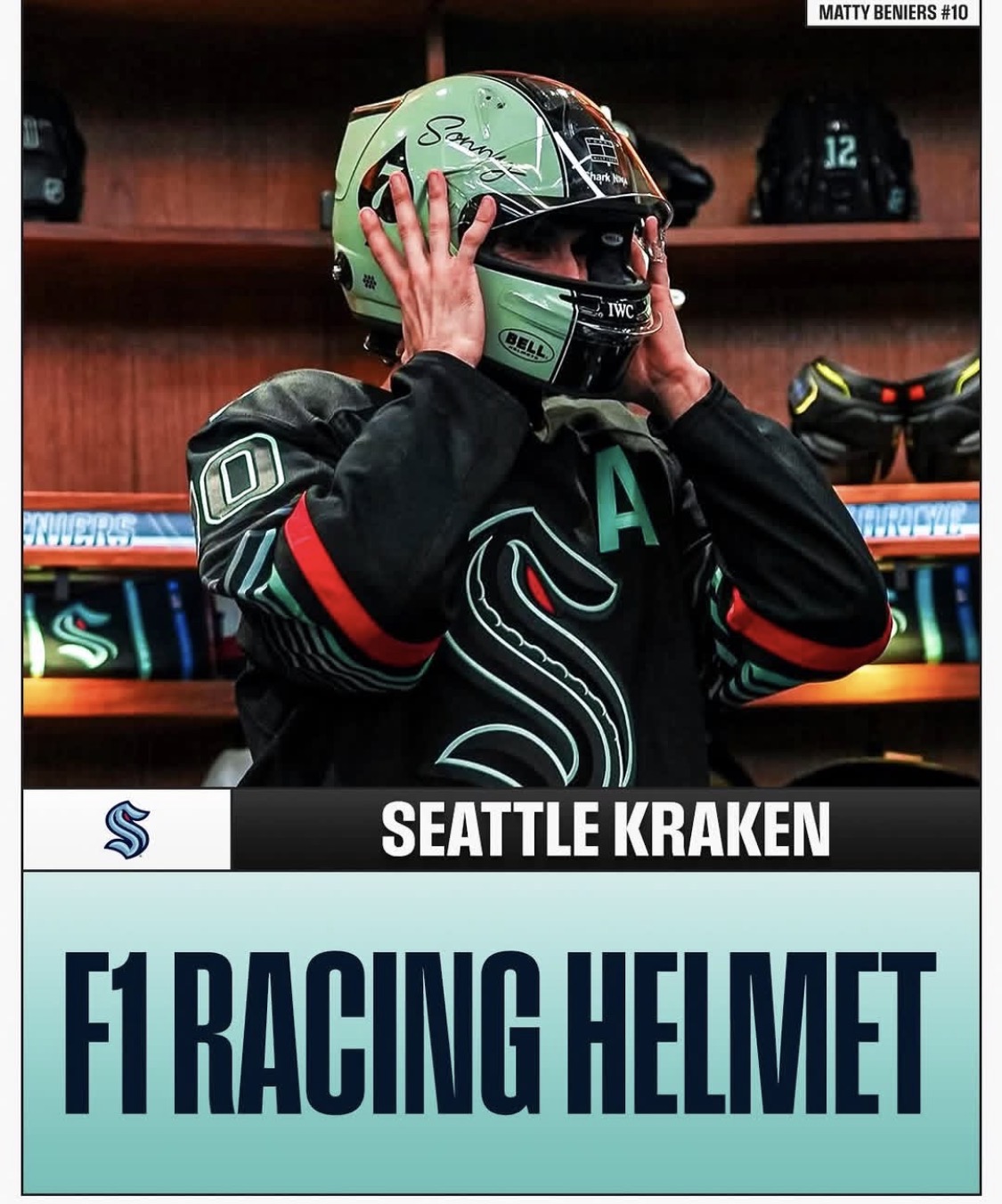
Seattle using an F1 racing helmet.
Toronto rolling with a WWE-style championship belt.
Because some nights, your guy didn’t just play well, he looked like a superhero doing it.
Some teams lean into city identity.
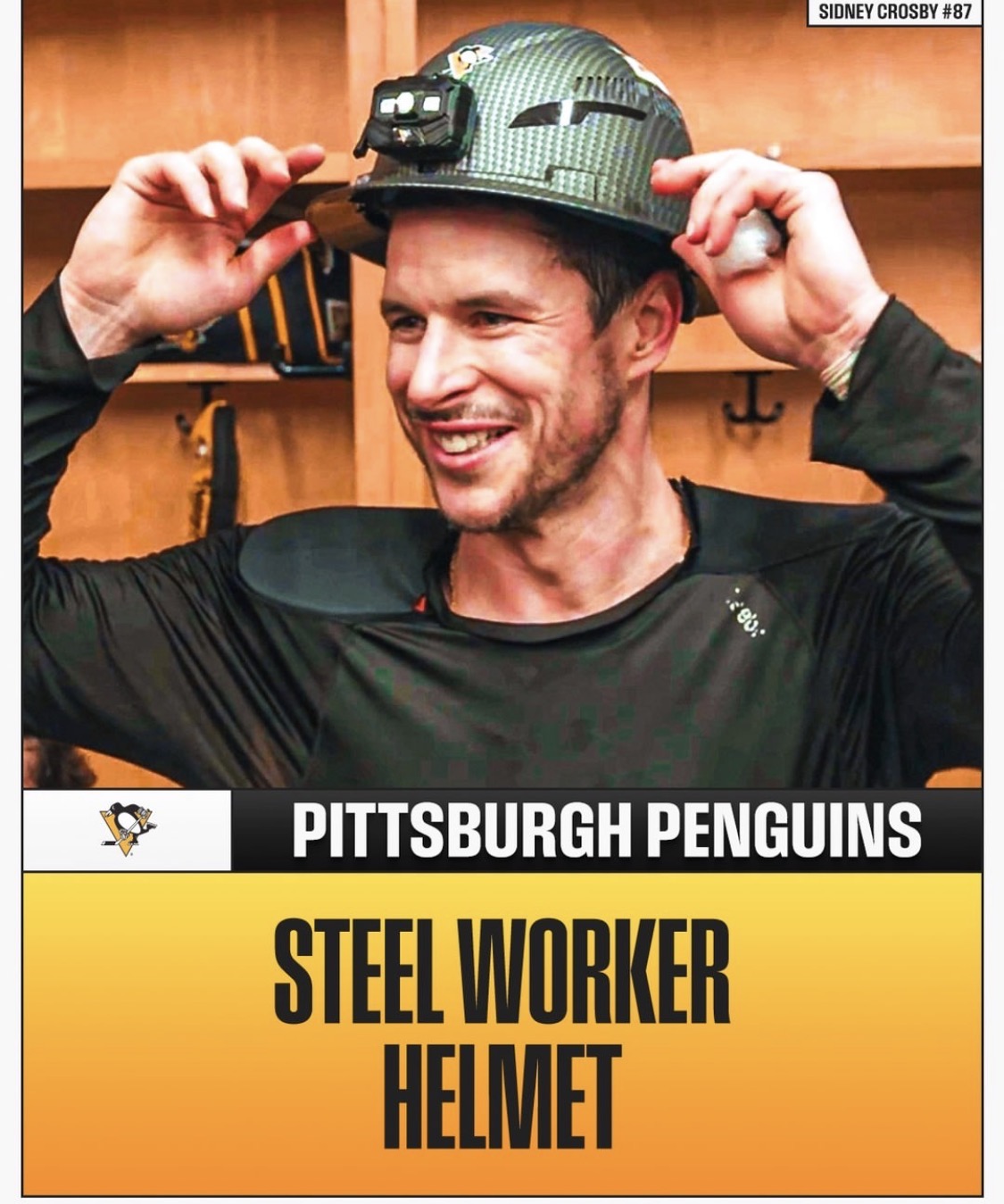
Pittsburgh’s steelworker helmet.
Edmonton’s oil worker safety vest.
New York’s Broadway hat.
These awards connect the room to the people in the seats. They remind players they represent more than a logo. They represent the city, the workers, the fans, and the people who built the place before they ever put skates on.
Some teams lean into humor.
Carolina’s rope.
Anaheim’s Mighty Ducks-style jacket.
Philadelphia’s Bernie Parent-style goalie mask.
Because sometimes the best team-building tool is simply giving grown men something ridiculous to fight over.
And trust me, they will.
Nothing motivates a hockey player quite like the chance to win a fake wrestling belt or wear a wolf head indoors.
Civilized people? Absolutely not.
Effective leadership tool? Shockingly yes.
My Father’s Firefighter Helmet

One of my favorite versions of this came from my dad.
When he coached with the Vancouver Giants, he gave away a firefighter helmet after wins.
For him, it wasn’t just a prop.
He spent 15 years with the Kamloops Fire Department, and that helmet carried weight.
It represented service.
Trust.
Preparation.
The understanding that your job matters because someone else’s safety depends on it.
That’s hockey, too.
He also believed deeply in exposing players to environments outside the rink that taught real teamwork. Fire training exercises showed players what true accountability looked like, where communication, trust, and execution weren’t about winning a hockey game, but potentially saving someone’s life.
That changes perspective.
Some teams do the same thing with police departments, SWAT units, or military groups in their communities. They bring players into those environments because elite teamwork leaves clues, and hockey would be foolish not to study them.
Sometimes the post-game award becomes a symbol of that lesson.
And suddenly it’s bigger than the room.
Not Every MVP Wears Silk. Some Wear Bruises.
Some teams hand out one post-game award.
The best teams usually have two.
One from the room.
One from the coaches.
Because hockey gets viewed through different lenses.
Players feel the game.
Coaches read the game.
Both matter.
The player award usually goes to the guy the bench believed carried them.
The overtime winner.
The three-point night.
The game breaker.
The guy who made the crowd loud and the group feel invincible.
That’s the belt.
The chain.
The superhero helmet.
The flashy one.
The coach’s award often goes somewhere quieter.
The blocked shots.
The penalty kill.
The wall battles.
The faceoff win in your own end with 30 seconds left.
The player who may never touch the scoresheet but somehow made the win possible.
That’s the hard hat.
The firefighter helmet.
The high-vis vest.
Or in one dressing room I was part of… a cracked athletic cup.
Awarded to the guy willing to put his balls on the line for a win.
Literal? Sometimes.
Metaphorical? Hopefully.
Necessary? Absolutely.
Because not every MVP wears silk.
Some wear bruises.
Some teams had a “player of the weekend” jacket—an old-school letterman coat that the winner had to wear all week. If someone caught you without it, you got fined.
Nothing motivates hockey players quite like public humiliation and financial penalties.
In senior hockey, that jacket became a badge of honor.
In Tri-City, everyone wanted the Mr. Hustle Award.
Not just because it meant you worked.
Because it came with a gift card to Zumiez at Columbia Center Mall, and at that age Zumiez was basically Paris Fashion Week with better skate shoes and the hottest girls working behind the counter.
Winning mattered.
But let’s be honest, so did looking good while pretending you didn’t care.
That’s hockey too.
Growing up, if you got a curtain call in junior or pro as one of the three stars, that was special.
If you were named first star on the road?
That was the ultimate “f@#k you” to the other team.
There’s something beautifully savage about hearing your name called in someone else’s building while their fans are already heading for the exits.
That kind of respect sticks with you.
The Jockey Whip
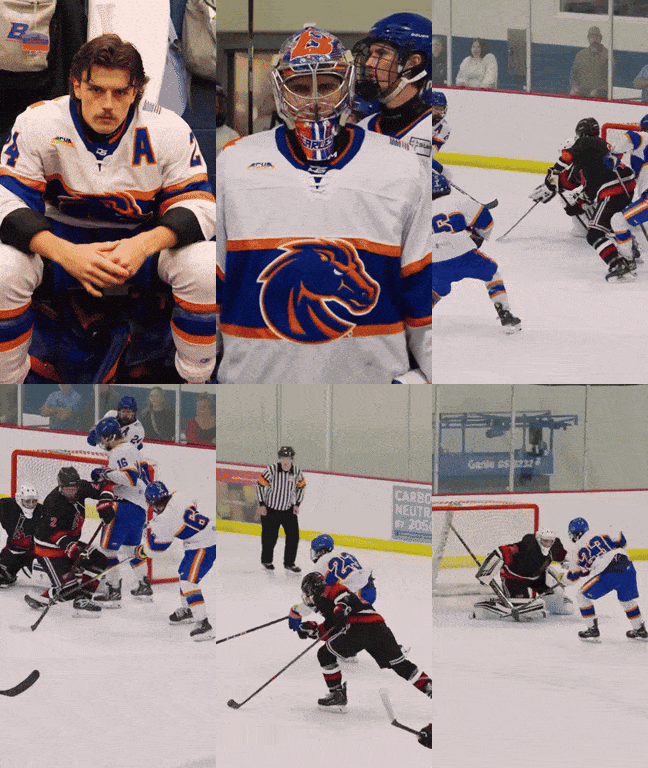
At Boise State, I gave away a jockey’s whip.
Not because we were trying to start a horse racing program.
Because hockey is a race.
A race to pucks.
A race to habits.
A race to details.
A race to standards.
A race to who gets there first mentally, physically, and emotionally.
The whip went to the guy who helped jockey us to success. The player who drove the pace, carried the standard, and made sure we weren’t just participating—we were competing.
Sometimes it was skill.
Sometimes it was sacrifice.
Sometimes it was a guy who looked like he had absolutely no business being the reason we won, and yet there he was.
That’s usually the best kind.
Why It Matters More at the Youth Level
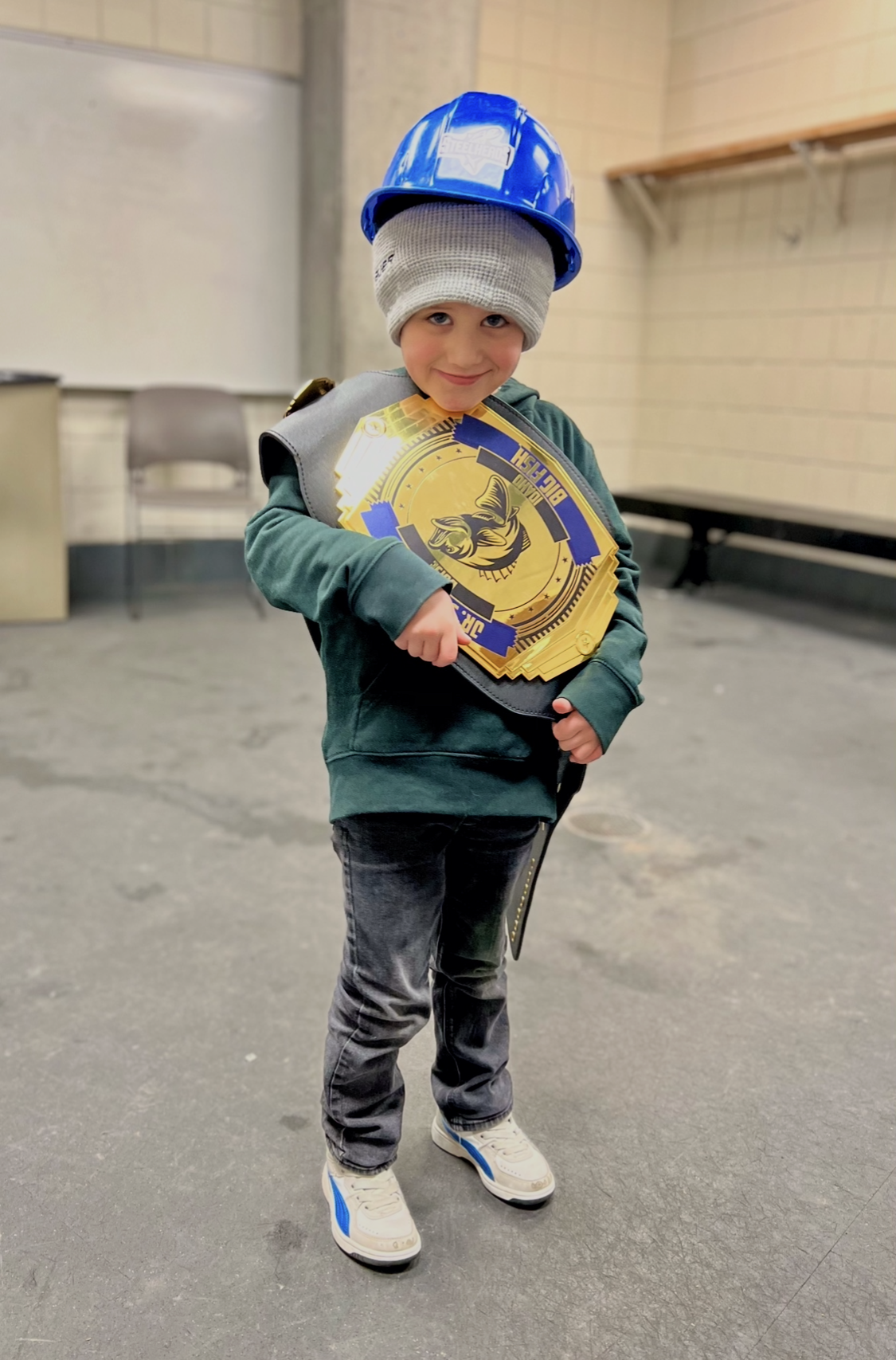
At the youth level, this gets even more important.
Because if you let players decide too early, sometimes it turns into a popularity contest instead of a teaching moment.
Kids naturally look at scoresheets.
Goals.
Assists.
Points.
They think the player with the numbers must have been the best player.
Sometimes they’re right.
Sometimes they couldn’t be more wrong.
That’s where coaching matters.
As a coach, I like handing out those awards myself because it gives me a chance to teach the room what we value.
It’s about who played the right way.
Who was willing to do the little things that help a team succeed.
The details that don’t always show up on the scoresheet.
Effort.
Compete.
Being coachable.
Being a great teammate.
Having the courage to block a shot, win a puck battle, or make the right play instead of the flashy one.
Those are the habits that build real players.
So sometimes the most valuable player isn’t the one with five points.
It’s the player who pushed their own ceiling that day.
The one who played a little harder, a little smarter, a little more selfless than they did the day before.
The one who helped the team win in ways that don’t always get noticed.
And when you recognize that, you’re not just handing out an award.
You’re showing the group what it takes to grow.
Because those lessons last a lot longer than a box score ever will.
What the Award Really Says
The object doesn’t matter.
The message does.
What you reward becomes what your team values.
If you reward offense only, players notice.
If you reward sacrifice, players notice.
If you reward leadership, preparation, accountability, toughness, or selflessness, players notice.
Culture is not built in speeches.
It’s built in what gets celebrated.
The post-game award is leadership in physical form.
It says:
This is who we are.
This is what wins here.
This is what matters.
And when that object gets passed from stall to stall after a win, it carries something far heavier than a firefighter helmet or a hard hat.
It carries identity.
That’s why guys care.
That’s why they remember.
That’s why some of those old hard hats probably mean more than the trophies sitting beside them.
Because banners hang in rinks.
But culture lives in the room.
And sometimes, apparently, it wears a cracked cup. 🏒
About the Author
Darrell Hay has spent enough years in hockey dressing rooms to know that if a grown man is proudly wearing a cracked athletic cup, a wolf head, or an old letterman jacket, you don’t ask questions—you just respect the process.
From junior hockey to professional hockey to coaching and building programs, he has learned that culture rarely shows up in speeches. It shows up in habits, details, and usually in whatever ridiculous object gets passed around after a win.
He still believes being named first star on the road is one of the greatest acts of peaceful violence in sports.
