Is the Juice Worth the Squeeze? Choosing Your Hard
Marriage is hard. Divorce is hard. Choose your hard.
Obesity is hard. Being fit is hard. Choose your hard.
Being in debt is hard. Being financially disciplined is hard. Choose your hard.
Communication is hard. Not communicating is hard. Choose your hard.
Life will never be easy. It will always be hard. But we can choose our hard.
Pick wisely.
— Unknown
Some quotes sound good.
Some quotes tell the truth.
This one punches people right in the teeth because there is nowhere to hide.
Life is hard.
That part is non-negotiable.
The only real choice is which version of hard you are willing to live with.
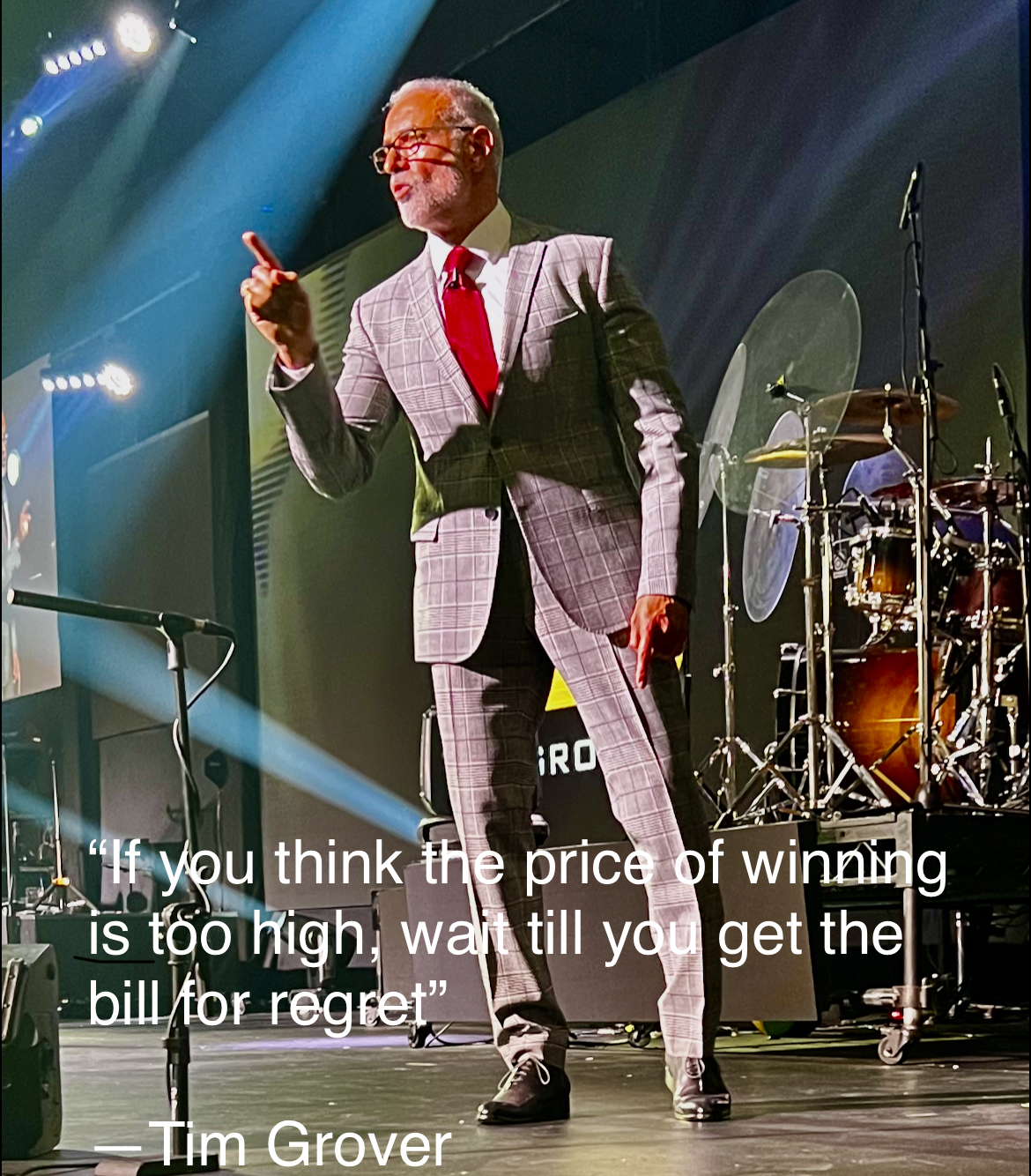
Tim Grover talks about this all the time.
Rent is due every day.
That line sticks because success is not something you buy once and keep forever.
You rent it.
Daily.
The bill shows up every morning.
And the higher the level, the higher the rent.
That applies to hockey, marriage, business, parenting, fitness, leadership—everything.
Everyone wants the rewards.
Very few people are excited about the invoice.
That is where the real separation happens.
Every Level Has a Different Price
People love talking about talent.
They love the idea of the naturally gifted player.
The kid who was just born with it.
And yes—some guys absolutely have gifts the rest of us can only admire from a safe distance.
But over the course of a career, the gap gets a lot smaller than people think.
The differences become very finite.
Healthy scratch to everyday guy.
Everyday guy to top-six forward.
Top six to first line.
Good to great.
Great to elite.
Elite to superstar.
Inconsistent to consistent.
One good season to ten.
Ten years to a thousand games.
A thousand games to a Hall of Fame career.
At every level, the question changes.
But it always comes back to the same thing:
What price are you willing to pay?
Because first-line results demand first-line habits.
You do not get A+ results with C- habits.
Everybody loves the rewards.
Very few people fall in love with the habits.
When the Bottle Neck Hits

When I was younger, I did not really understand paying the price.
A lot of it came naturally.
I was talented enough.
Good enough.
I could play.
At younger levels, talent covers a lot of sins.
You can out-skill bad habits.
You can out-score poor preparation.
You can survive on ability.
And honestly, that can be dangerous.
Because it teaches you the wrong lesson.
It makes you think talent is enough.
Then the bottle neck hits.
Everybody gets bigger.
Everybody gets faster.
Everybody was the best player somewhere else.
Now talent is not the separator.
It is the entry fee.
That is where careers change.
You cannot demand first-line results while living third-line discipline.
That is when paying the price becomes real.
Because now nobody cares what you could do.
They care what you do every day.
That is where a lot of players get exposed.
Including me.
Wing Wednesdays vs. The Winnipeg Arena
I was never confused about what it took.
I knew exactly what the American League demanded.
I knew what separated an everyday guy from a top-six guy, and a top-six guy from a first-line player.
It was never mystery.
It was math.
The truth was simpler and uglier:
I was addicted to the rewards and negotiated the work.
I wanted the celebration.
I just did not always want the bill.
To be an everyday guy in the AHL, you had to live a certain way.
To be a top-six guy, you had to live even harder.
To play heavy minutes, stay in elite shape, and do it day after day without emotional drift—that was the real challenge.
The physical part was manageable.
The mental grind was expensive.
And honestly?
Sometimes I wanted fun more than I wanted the grind.
I wanted Wing Wednesdays.
I wanted Kokanee Icebergs at Earls in Polo Park.
I wanted the suit on, beer in hand, Saturday-night celebration at Tijuana Yacht Club.
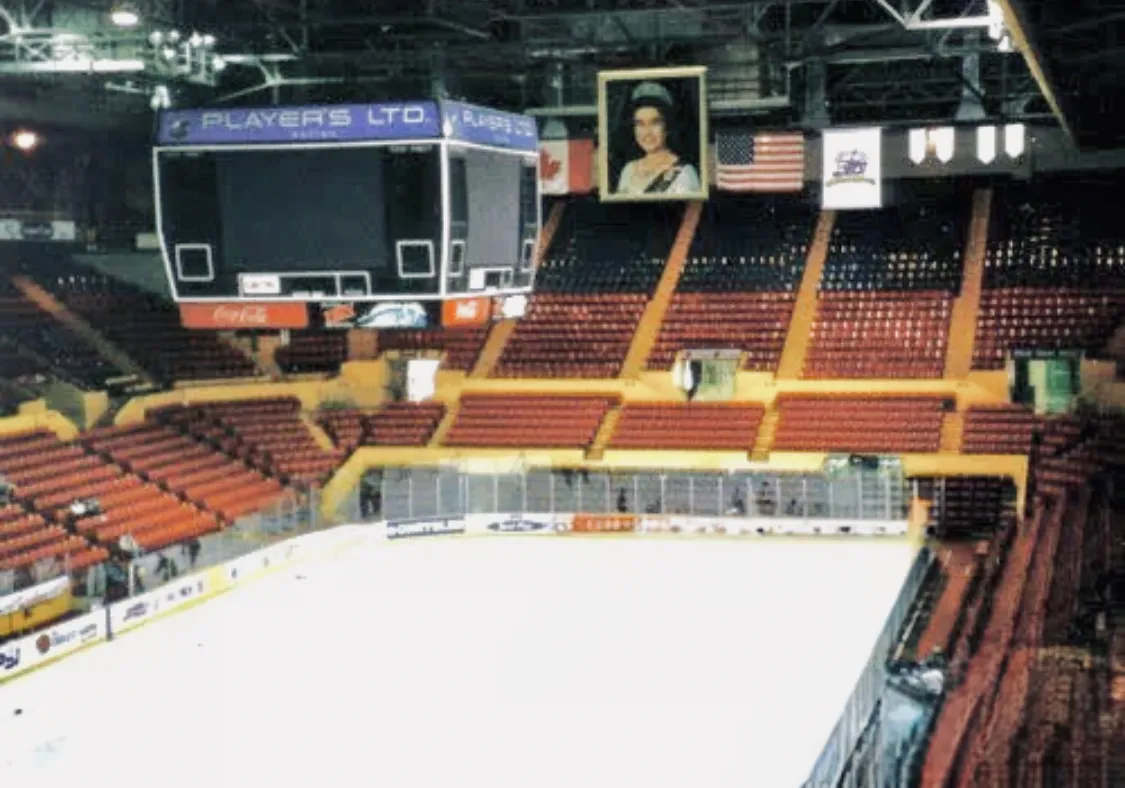
What I didn’t want was showing up early to the Winnipeg arena for another lift, another therapy session, another stretch, another set of stairs while staring up at Her Majesty’s portrait hanging over the home end zone.
I wanted the rewards.
I just kept negotiating the work.
That truth sealed my fate.
That is why I was a one-contract guy.
Not because I could not do it.
Because I was not always willing to pay enough for long enough.
That is an important difference.
Finding the Right Price

The ECHL gave me a different life.
It was a place where my ability and my work rate were enough to be a top guy.
There was less pressure.
More freedom.
You were responsible for your own shape, your own standards, your own professionalism.
That environment matched the price I was comfortable paying.
And for a while, that worked.
Sometimes players do not fail because they are not good enough.
Sometimes they find the level where the cost and the comfort make sense.
That was me.
There is honesty in that.
Not every player is chasing the same thing.
Not every player wants the same bill.
Some want the show.
Some want the lifestyle.
Some want longevity.
Some just want to love going to the rink.
The problem comes when your goals and your habits stop speaking the same language.
That is where frustration lives.
The Mirror in Europe
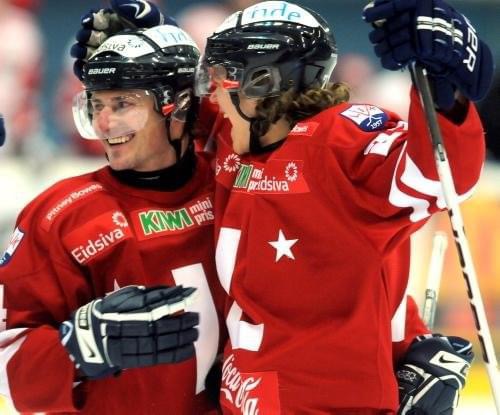
It was not until Europe that I really felt it.
You can see the downslope in your career when you play long enough.
At some point, the mirror gets honest.
You stop saying, “I’ve got time,” and start saying, “Oh crap… we better get moving.”
That was my moment.
The second half of my career was the part I respected most because I finally started looking in the mirror and liking what I saw.
Not because I was better.
Because I was finally doing the work.
It became a craft.
I appreciated the detail.
The preparation.
The consistency.
The boring stuff.
The things nobody claps for.
I stopped seeing the work as punishment and started seeing it as professionalism.
That changed everything.
There is a real peace that comes from knowing you paid full price.
Even if the result is not perfect.
Even if the career is not exactly what you imagined.
You can live with honest work.
You cannot fake that in the mirror.
Relentless
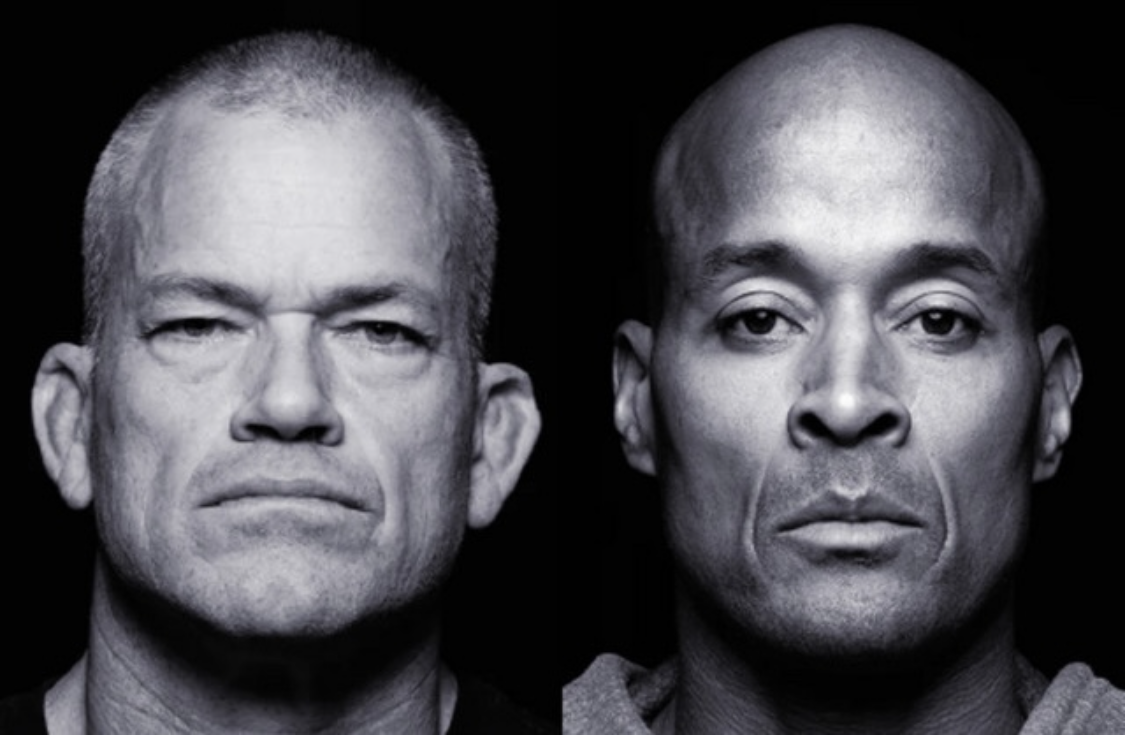
Guys like Jocko Willink and David Goggins hit the same nerve because they strip away excuses.
They are not selling motivation.
They are talking about standards.
Grover training Michael Jordan, Kobe Bryant, and Dwyane Wade was never about magic.
It was about willingness.
Those guys were willing to pay a price most people would run from.
That is why books like Relentless and Winning are "stranded-on-a-desert-island" books for me.
Same with Goggins and Jocko talking about special forces, SEAL teams, and elite leadership.
Again—price to pay.
The level always costs something.
The better the view, the steeper the climb.
People hear that and think it sounds dramatic.
It is not.
It is just math.
Is the Juice Worth the Squeeze?

One of Casey’s and my favorite movies in our twenties was The Girl Next Door.
There is a line in that movie that always stuck with me:
“Is the juice worth the squeeze?”
That is life.
That is hockey.
That is marriage.
That is parenting.
That is business.
That is fitness.
That is leadership.
Everything eventually asks the same question.
Do you want the thing badly enough to keep paying for it when it stops being fun?
Because success is rarely blocked by talent.
It is usually blocked by tolerance.
What are you willing to tolerate?
Discomfort.
Discipline.
Repetition.
Failure.
Boredom.
Delayed gratification.
Hard conversations.
Early mornings.
Late nights.
Loneliness.
Consistency.
That is the real test.
Not whether you can do it.
Whether you are willing to keep doing it.
That is the squeeze.
And only you can decide if the juice is worth it. 🏒
About the Author
Darrell Hay has learned that most people love the idea of success far more than the daily rent it requires. Hockey taught him that talent opens doors, but habits decide who gets to stay in the room. Somewhere between Wing Wednesdays, bad decisions, and early-morning arena stairs, he figured out that the best things in life usually cost more than you hoped—and are still worth paying for
