
From Marleau to Bedard: How the NHL Got Younger
I was 16 years old standing on the ice at Key Arena when Patrick Marleau scored his 50th goal of the season.
He was 17.
I was a rookie in the WHL trying to survive shifts. He was playing for the Seattle Thunderbirds and looked like he already belonged somewhere bigger.
What struck me wasn't just the goal scoring. It was the gap.
Back then, you expected 19 and 20-year-olds to dominate junior hockey. They were older, stronger, physically mature, and closer to becoming professionals. That was the developmental model most of us understood. The older players were supposed to be the ones ready for the next step.
But Marleau looked different.
A year later he was in the NHL with the San Jose Sharks, making the jump directly from junior hockey to the best league in the world. At the time, that felt rare. Elite prospects existed, but the timeline still felt predictable. Most players needed more seasoning, more experience, and more time.
Then I attended Team Canada's World Junior tryout camp and got cut for two 16-year-olds.
Jay Bouwmeester.
Jason Spezza.
That was the first time I truly felt something shifting beneath the game.
The gap was incredible to witness. Not because they were flashy. Not because they were trying to impress everyone in the building. They were simply ready. Their skating, decision-making, composure, and understanding of the game looked older than their birth certificates.
Looking back now, I realize I wasn't just watching exceptional young players. I was witnessing the early stages of a developmental shift that would continue accelerating for the next three decades.
When the Exception Became the Model
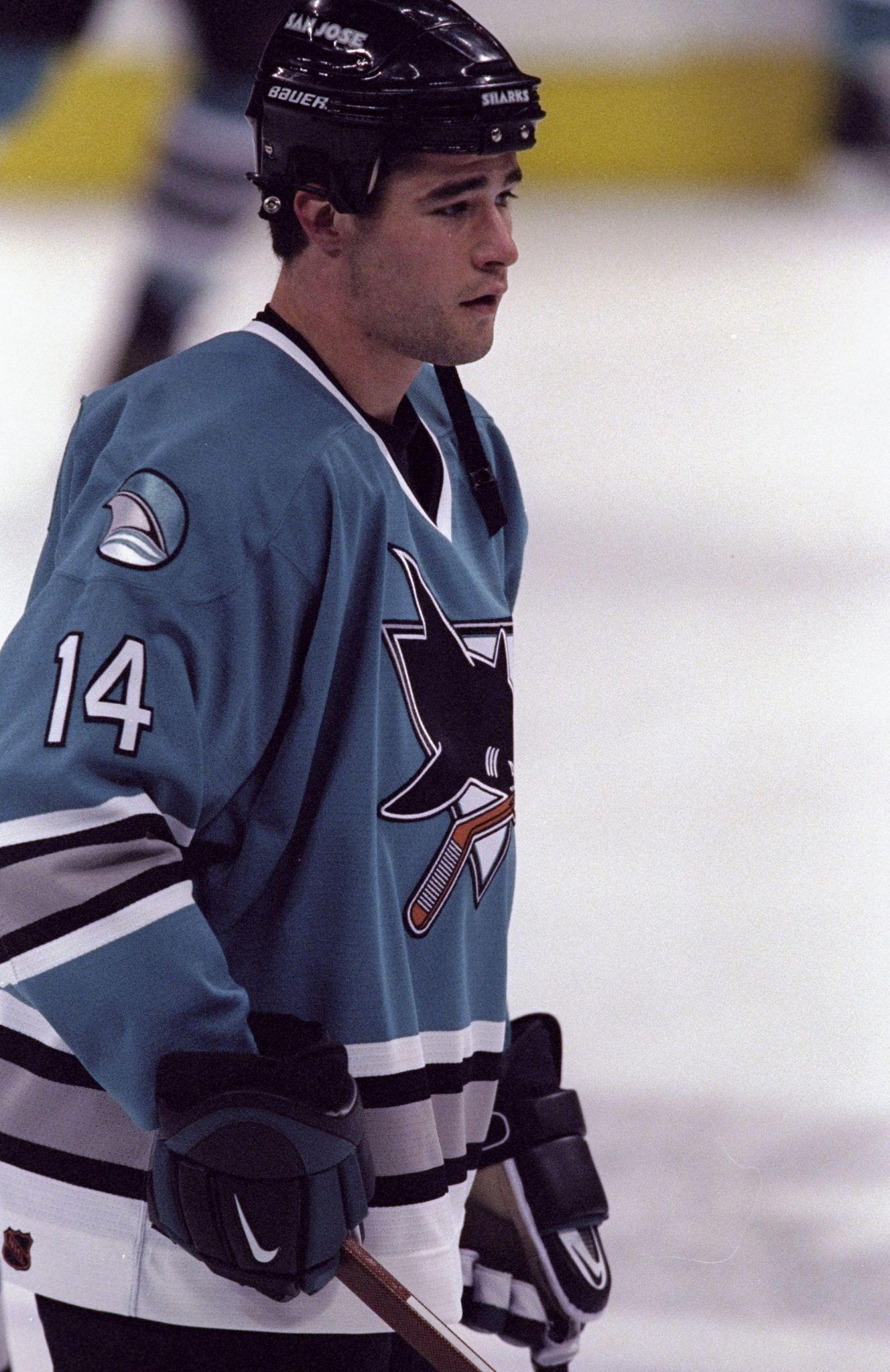
In the late 1990s and early 2000s, an 18-year-old playing in the NHL was still a headline. Organizations leaned heavily on veterans. Experience carried tremendous value. Development often meant years of learning, growing, and physically maturing before earning a permanent spot at the highest level.
Then another wave arrived.
Sidney Crosby entered the NHL at 18 and immediately became one of the faces of the sport. Alex Ovechkin followed shortly after and changed the way an entire generation viewed goal scoring. Connor McDavid stepped into the league at 18 and altered the pace of the game almost overnight.
These weren't young players simply surviving.
They were shaping the league.
What once felt rare started to feel repeatable.
That word matters because once something happens often enough, it stops feeling like an anomaly and starts looking like a system.
For years, hockey development was largely built around experience accumulation. Players learned by playing, by making mistakes, by growing older, and by gradually discovering what worked and what didn't. Experience was often the teacher.
Today's players still need experience. That part hasn't changed.
What has changed is access to information.
A player can watch NHL clips before breakfast. They can learn skating mechanics from world-class instructors online. They can study power-play entries, defensive habits, edge work, puck touches, and decision-making from virtually anywhere. Knowledge that once existed primarily inside NHL locker rooms and coaching offices is now available to young athletes around the world.
That doesn't replace experience.
But it absolutely accelerates understanding.
And now we're seeing another evolution of that process.
Macklin Celebrini entered the NHL at 18 and didn't look overwhelmed. Shortly after, he earned a place on Canada's Olympic roster, stepping onto one of the brightest stages in hockey. This season, Matthew Schaefer is handling NHL minutes on the back end as an 18-year-old defenseman, traditionally one of the most difficult positions to transition into at the professional level.
Defense has always been different. The reads are faster. The consequences are larger. The mistakes are amplified.
When young defensemen look comfortable at that age, history often takes notice.
The League Didn't Get Younger by Accident
It would be easy to assume today's players are simply more talented.
I don't think that's the story.
The story is that the process has evolved.
Today's elite teenager often has access to year-round skating instruction, specialized skills coaching, structured strength training, video analysis, international competition, and development environments designed specifically around long-term athletic growth.
When I was growing up in Kamloops, development was strong, but it wasn't nearly as intentional.
The world felt smaller.
You knew what your coaches taught you. You knew what your teammates showed you. You knew what was happening at your local rink.
That was your hockey world.
There was no YouTube. No social media. No video breakdowns available on demand. There was no ability to watch a skating coach in Sweden, a skills coach in Toronto, and an NHL coaching clinic from your living room in the same afternoon.
Today's players grow up in a global classroom.
The amount of information available at their fingertips is remarkable.
The steps aren't being skipped.
They're being taken earlier.
That's an important distinction because the best development models aren't shortcuts. They're sequencing.
The skating skills still need to be learned. The puck skills still need to be mastered. Decision-making still requires thousands of repetitions. What has changed is our understanding of when and how those lessons should be introduced.
We know more about long-term athlete development. We understand physical literacy better. We understand movement patterns, skill acquisition, and how athletes learn. We know small-area games create more puck touches, more decisions, and more opportunities to develop hockey sense than standing in lines waiting for whistles.
Constraint-based coaching, game-like learning environments, and intentional practice design have become common language in many development circles.
The destination hasn't changed.
The map has improved.
The players arriving earlier aren't necessarily working harder than previous generations.
They're benefiting from an environment that is more connected, more informed, and more intentional than ever before.
Economics Changed the Timeline

Development isn't the only factor driving this evolution.
The economics of the NHL changed as well.
The salary cap era placed tremendous value on young players who can contribute while playing on entry-level contracts. Speed, processing, adaptability, and cost-controlled production have become some of the most valuable assets in roster construction.
Organizations want players who can help immediately.
Development systems have responded by preparing athletes for those demands earlier than ever before.
The result is a generation of players entering junior hockey with stronger skill sets, entering college hockey with greater readiness, and entering professional hockey with a clearer understanding of what the game requires.
Not because they're being rushed.
Because they're being prepared.
That's a significant difference.
One creates burnout.
The other creates readiness.
The Torch Is Being Passed
Every generation eventually hands the game to the next.
Crosby is entering the final chapters of a remarkable career. Ovechkin continues chasing history. Thornton and Marleau have already retired after careers that stretched across decades.
The league isn't being forced to change.
It's evolving naturally.
The torch isn't being pulled from aging stars. It's being taken by players who are arriving ready to carry it.
That readiness is the story.
Not hype.
Not social media.
Not marketing.
Preparation.
Closing Thought
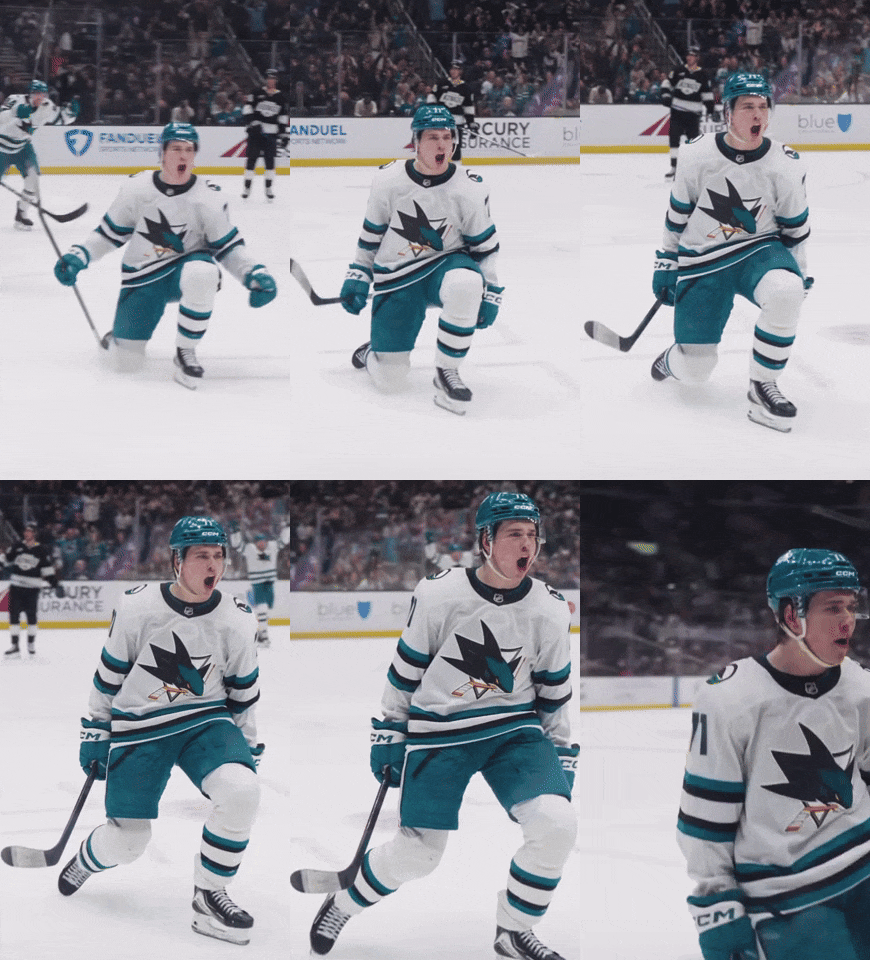
When I stood on the ice at 16 watching a 17-year-old Patrick Marleau score his 50th goal, I thought I was witnessing something extraordinary.
Looking back, I was.
Not simply because he was a great player. Because he represented where the game was heading. The timeline was beginning to compress. The runway was getting longer. The information was getting better. The preparation was becoming more intentional. The players were arriving earlier.
The lesson for today's players and families isn't that everyone should be chasing the NHL at twelve years old. The lesson is that development matters. Coaching matters. The environment matters. The quality of repetitions matters.
Intentionality matters.
The players entering the NHL at 18 aren't succeeding because they're younger. They're succeeding because they're prepared. That's an important distinction.
Every parent wants to help their child move forward. Every player wants to reach the next level. The temptation is often to look at elite outcomes and assume the answer is simply doing more.
More games. More travel. More showcases. More hockey.
Yet most elite development stories aren't built on doing more.
They're built on doing the right things consistently over long periods of time. The best development models aren't designed to create better 12-year-olds. They're designed to create better 22-year-olds.
The irony is that when you focus on the long game, players often improve in the short game too.
That's what hockey has been teaching us for the last twenty-five years. The future isn't arriving earlier because someone found a shortcut. The future is arriving earlier because the process keeps improving.
And somewhere right now there's another 16-year-old standing on the ice watching a player his own age dominate the game.
He probably thinks he's witnessing something rare.
Maybe he is.
Or maybe he's simply getting a glimpse of hockey's next evolution. 🏒
About the Author
Darrell Hay entered the WHL as a 16-year-old and has spent the last three decades watching hockey evolve from firsthand experience as a player, coach, parent, and development leader.
The names change. The generations change. The lessons don't.
Preparation has always mattered. The difference today is that players have more information, more resources, and more opportunity than ever before to turn preparation into performance.
And for anyone worried because they're not in the NHL at 18, don't panic. Hockey has a funny way of rewarding people who stay in the race long enough.
Darrell is still waiting for his call-up. At this point, he's starting to suspect the scout got stuck in traffic somewhere between Kamloops and Boise.
