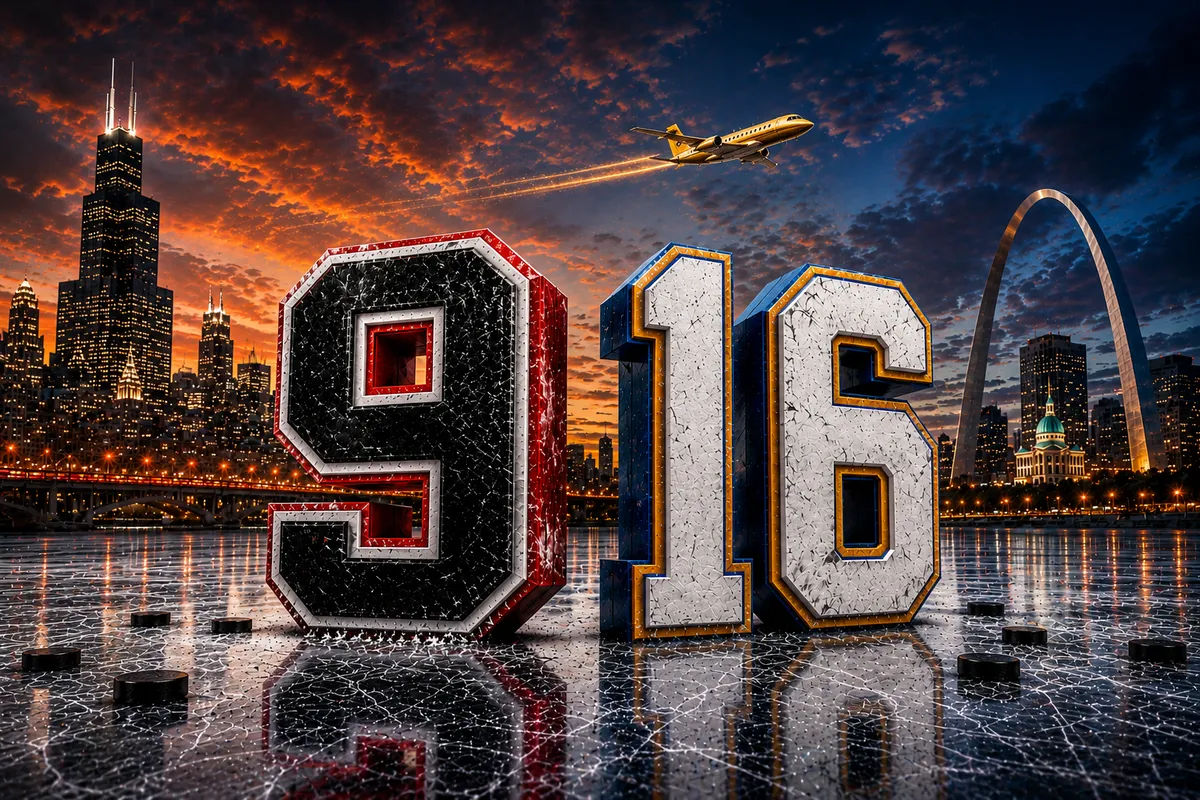
The Next 2-on-1: The Art of Solving Hockey Problems
The best hockey lesson I've heard this year didn't come from a coaching clinic, an analytics conference, or a social media clip.
It came from Brett Hull sitting down with Wendell Clark and talking hockey.
As you might expect when two NHL legends get together, there were plenty of stories, laughs, and memories from their careers. But one comment stopped me in my tracks.
Brett spoke about the greatest lesson his father, Bobby Hull, ever taught him.
His answer was simple.
Create the next 2-on-1.
What struck me wasn't that the lesson was new.
It wasn't.
In many ways, it was a principle I had seen throughout my own playing career, coaching career, and countless hours spent around the game.
What struck me was hearing it come from Brett Hull.
A player who scored 741 goals in the National Hockey League, fifth-most in league history, sharing a lesson taught to him by his Hall of Fame father.
Sometimes the most powerful moments in hockey aren't discovering something new.
They're realizing that some of the game's greatest players arrived at the same conclusions you have.
In that moment, Bobby Hull's lesson felt less like a tactic and more like a truth.
A principle that had survived every era of hockey.
What Survives
Hockey is constantly searching for the next innovation.
The next system.
The next skill.
The next training method.
The next competitive advantage.
Yet the principles that survive generation after generation are usually the ones worth paying attention to.
Move the puck.
Support the puck.
Create an advantage.
Force a decision.
Attack the opening.
Repeat.
Those ideas existed when Bobby Hull played.
They existed when Wayne Gretzky played.
They existed when Sidney Crosby entered the league.
And they still exist today.
The names change.
The systems change.
The principles survive.
Learning Hockey Without Realizing It
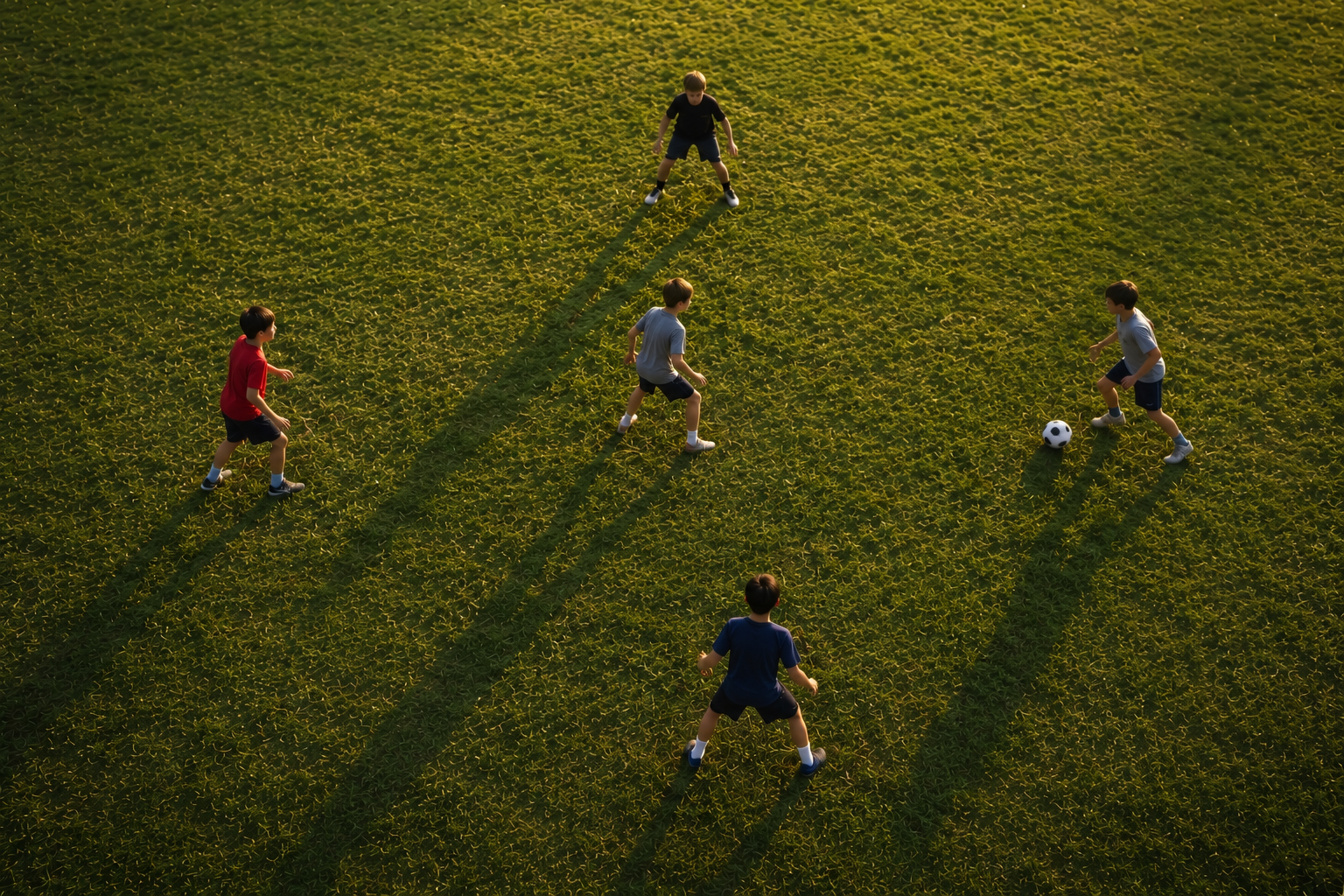
Looking back, I don't think we learned give-and-go hockey from hockey.
I think we learned it from soccer.
I think we learned it from keep-away.
I think we learned it from spending countless hours outside playing games with our friends.
Growing up in Kamloops, many of the guys I played hockey with also played soccer together. Players like Taylor Bradley, Shane Lukinchuk, Carey Ernewein, Rob Gallaher, and so many others spent years solving problems together on fields, playgrounds, driveways, and rinks.
The chemistry wasn't created during practice.
It was built through play.
Every game of keep-away was a 2-on-1 simulation.
You were constantly trying to maintain possession.
Find support.
Move into open space.
Anticipate where the ball or puck was going next.
And if you did it well enough, you never had to defend.
The same concepts showed up whether we were wearing cleats or skates.
Support.
Spacing.
Timing.
Anticipation.
Problem solving.
By the time we got back to the rink, many of those habits were already ingrained.
Looking back now, I don't think it was a coincidence that seven players from our Bantam team eventually got drafted into the WHL. We spent years developing chemistry, anticipation, and problem-solving skills long before anyone called it player development.
We weren't spending our childhood memorizing systems.
We were learning how to play.
Hockey Isn't a 200-Foot Game
One of my long-held beliefs is that hockey isn't a 200-foot game.
It's a 20-foot game played ten times up the ice.
Every meaningful moment happens in a small area.
A puck retrieval.
A breakout.
A wall battle.
A regroup.
A zone entry.
A cycle.
A race to a loose puck.
A give-and-go.
A net-front battle.
The game is really just a collection of small problems that need to be solved repeatedly.
Most people hear "create the next 2-on-1" and immediately picture an odd-man rush.
I don't.
I think about a defenseman retrieving a puck under pressure and finding support underneath.
I think about an indirect pass behind a forechecker and a teammate arriving with speed.
I think about a winger supporting low on a breakout.
I think about winning a race to a loose puck and immediately creating another advantage.
The objective remains the same.
Establish possession.
Create support.
Approach the problem.
Utilize options.
Then solve it.
Twenty feet later, another problem appears.
And the process starts all over again.
Chess at 18 Miles Per Hour
People often describe hockey IQ as if it's some mysterious quality.
"He just sees the game."
"She has great instincts."
While those statements aren't wrong, I think there's a simpler explanation.
Hockey IQ is how a player digests the game and the decisions they make within it.
The game is constantly asking questions.
Do you keep the puck or move it?
Do you attack now or allow support to arrive?
Do you make a play or hold onto the puck?
Do you chip it behind a defender or skate with it?
Do you recognize pressure?
Do you recognize support?
Do you recognize opportunity?
The best players consistently answer those questions correctly.
In many ways, hockey is chess played at 18 miles per hour.
Or maybe Frogger.
Some players seem to know exactly where the traffic is moving before everyone else does.
They understand the timing.
They recognize the openings.
They know when to jump and when to wait.
While some players are reacting to the game, others are anticipating it.
When I evaluate hockey IQ, I don't look for magic.
I look for decisions.
Continuous good decisions.
Because IQ isn't a statistic.
It's a deep understanding of how hockey works and the recognition that every action creates a reaction.
Understanding Space
One of the greatest lessons I learned growing up around the game was that space is constantly changing.
The best players don't simply recognize space.
They manipulate it.
The best teams don't simply use support.
They create it.
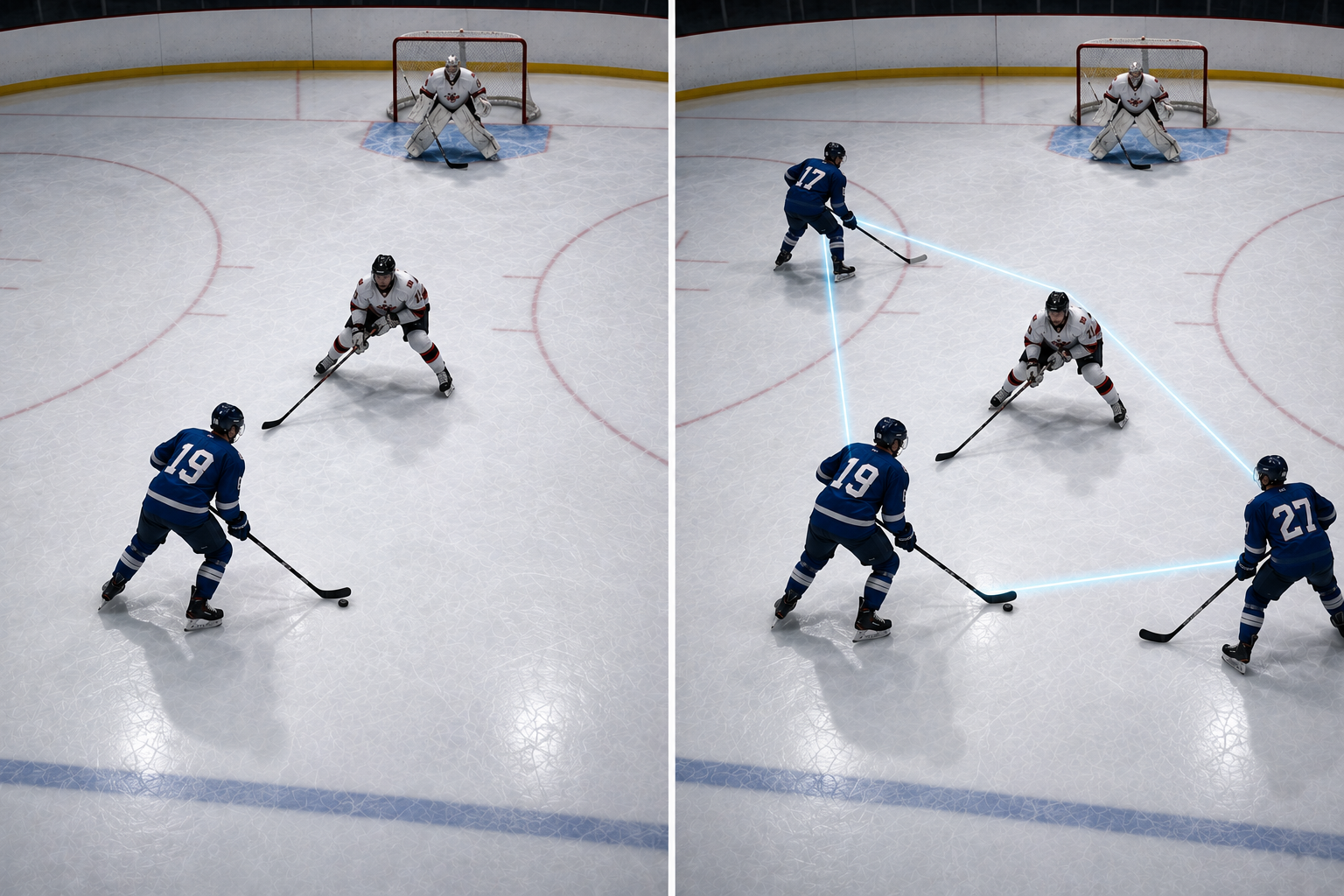
Add another player to an area and new options appear.
Outnumber opponents around the puck and possession becomes easier.
Create another passing lane and suddenly a defender has a decision to make.
Give a good player four passing options and they'll usually find the best one.
The game rewards players who understand how to create and use advantages.
The puck moves faster than any player ever will.
If you want to play fast, the puck must move fast.
And when the puck moves between players who understand support, spacing, and timing, the defense eventually runs out of answers.
The Four Roles
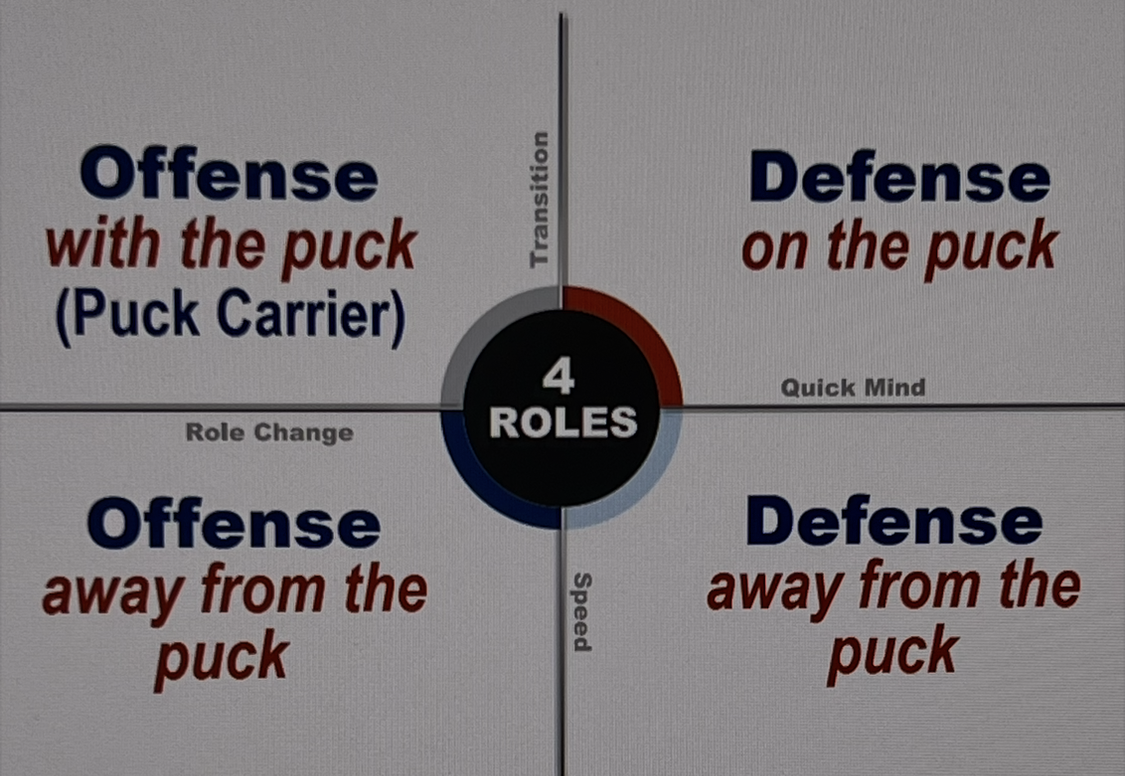
One of the most valuable concepts USA Hockey teaches is the Four Roles of Hockey.
Offense with the puck.
Offense away from the puck.
Defense on the puck.
Defense away from the puck.
Most players spend their lives focused on one role.
Offense with the puck.
That's where the highlights happen.
That's where social media lives.
That's where attention goes.
The longer I coach, the more I believe elite players separate themselves somewhere else.
Offense away from the puck.
The moment you move the puck, you enter that role.
Now what?
Do you glide?
Do you admire your pass?
Or do you immediately become another option?
Can you create support?
Can you create the next layer?
That's where hockey intelligence lives.
That's where give-and-go hockey lives.
That's where creating the next 2-on-1 lives.
Players who are "always open" aren't lucky.
They're usually very good at finding areas where they can support the next play.
Why Small Area Games Matter
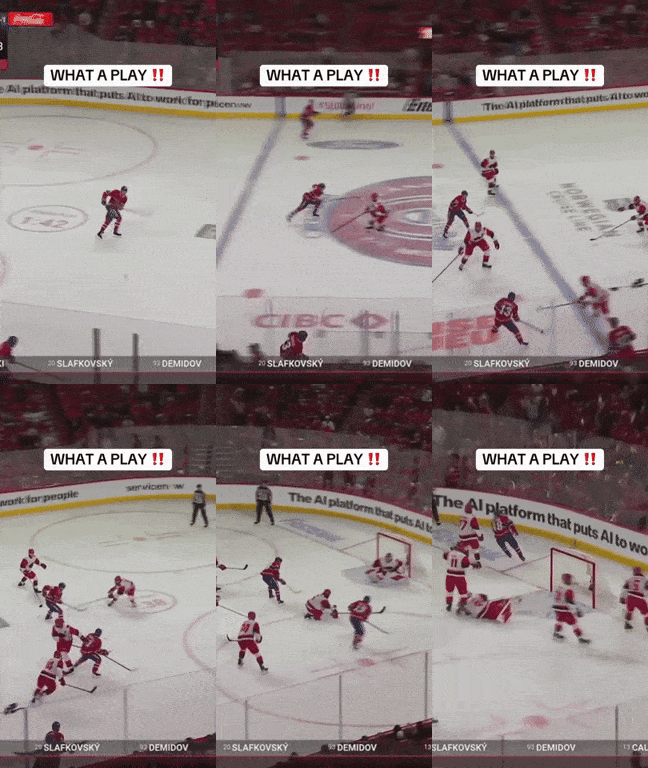
This is one of the reasons I believe so strongly in small area games.
Not because they're trendy.
Not because USA Hockey recommends them.
Because they naturally teach the game's oldest truths.
Players don't learn support from a lecture.
They experience it.
Players don't learn spacing from a diagram.
They discover it.
Players don't learn give-and-go hockey because a coach tells them to.
They learn it because the game rewards it.
The environment teaches the lesson.
There isn't enough ice to solve every problem by yourself.
You need teammates.
You need options.
You need support.
The game teaches the game.
One of the biggest benefits of summer 3-on-3 hockey is that players constantly cycle through every role.
One second they're the puck carrier.
The next they're support.
Then they're defending.
Then they're transitioning.
Then they're supporting again.
The decisions come faster.
The learning comes faster.
Players aren't memorizing hockey.
They're learning to understand it.
The Evolution of Offense
One of the reasons I find Bobby Hull's lesson so fascinating is because it still exists inside many of hockey's modern systems.
Take the 1-3-1 power play.
At its core, it's simply a structure designed to create support and options.
The best power-play units don't just move the puck.
They move themselves with it.
Attack.
Move the puck.
Move yourself.
Force another decision.
Then another.
Then another.
Eventually somebody on the penalty kill asks:
"Who's got him?"
And that's usually where offense begins.
The structure isn't creating goals.
The structure is creating options.
The options create movement.
The movement forces decisions.
The decisions create mistakes.
The mistakes create opportunities.
In many ways, it reminds me of Tex Winter's triangle offense.
The system didn't make Michael Jordan great.
The system didn't make Kobe Bryant great.
It created support, spacing, and options that allowed great players to make great decisions.
The 1-3-1 does much the same thing.
Good players can identify opportunities more easily than simply being told to get to the middle and shoot.
Support creates movement.
Movement creates decisions.
Decisions create mistakes.
Mistakes create scoring chances.
The language changes.
The principle doesn't.
Brett Hull's Real Gift
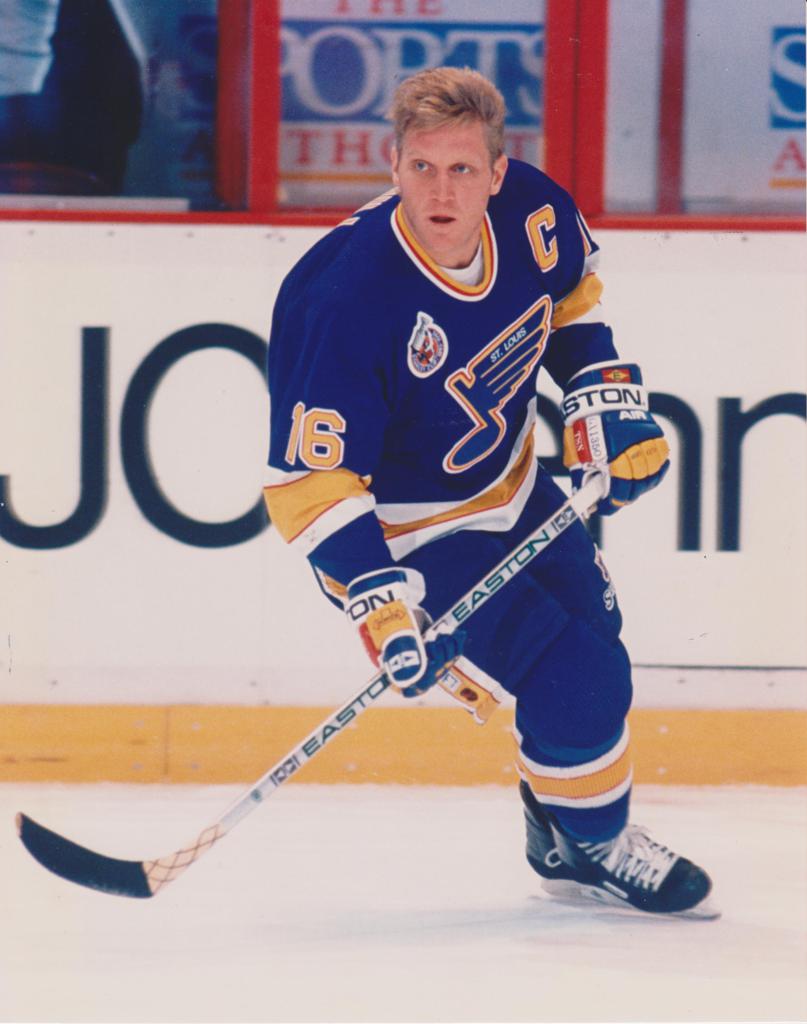
Brett Hull finished his NHL career with 741 goals, fifth-most in league history.
Most people immediately think about his shot.
And they should.
It was one of the greatest shots the game has ever seen.
But his shot didn't score 741 goals by itself.
His understanding of space did.
Hull had an uncanny ability to find soft areas.
Grey areas.
The spaces between sticks and coverage.
While defenders were focused on where the puck was, Hull often arrived where the puck was going next.
When Hull played with players like Adam Oates, Mike Modano, and Pavel Datsyuk, he became an assassin.
Those players complimented each other because they spoke the same language.
The language of support.
Timing.
Spacing.
Anticipation.
Problem solving.
His shot made him famous.
His understanding of the game made the shot possible.
Confirmation
The more I think about Brett Hull's story, the more I appreciate it.
Not because it taught me something.
Because it confirmed something.
It confirmed lessons I learned playing soccer as a kid.
Lessons I learned through road hockey and keep-away.
It confirmed something I've believed for a long time.
Great players don't simply play hockey.
They solve hockey.
Whether it's a cross and drop in hockey, a give-and-go in soccer, a pick-and-roll in basketball, or a two-man game in lacrosse, the objective remains remarkably similar.
Gain possession.
Support the play.
Create the next layer.
Force a decision.
Repeat.
The game will continue to evolve.
The athletes will continue to evolve.
The problems will continue to evolve.
The principles that survive are usually the ones worth keeping.
Create support.
Create options.
Create the next 2-on-1.
Then solve the next problem 20 feet later.🏒
About the Author
Darrell Hay still believes some of the best hockey development happens when nobody calls it hockey development. Whether it was soccer in Kamloops, road hockey in the cul-de-sac, or endless games of keep-away with friends, many of the lessons that shaped his playing and coaching career started with one simple objective: keep the puck, find support, and don't get caught. He also maintains that Frogger may have taught more hockey IQ than it gets credit for.
