
Borrowed Language: The Coaches You Carry
You do not realize it when you are young, but coaching is borrowed language.
A phrase.
A standard.
A lesson.
A habit.
A belief.
Somewhere along the way, a coach says something to you, and twenty years later you catch yourself saying the exact same thing to one of your own players.
That is when it hits you.
You have been carrying pieces of these people your whole career.
The best coaches do not just teach systems.
They shape how you think, how you lead, how you handle pressure, and how you treat people.
Some taught me standards.
Some taught me patience.
Some taught me preparation.
Some taught me how to separate the rink from the rest of life.
And some taught me things they probably did not even realize they were teaching.
One of the reasons I coach is because of those relationships.
Because somewhere down the road, I hope one of my players hears a phrase I once said and realizes it came from someone long before me.
That is the gift.
That is the responsibility.
That is coaching.
John Bradley — Standards Before You Knew What Standards Were
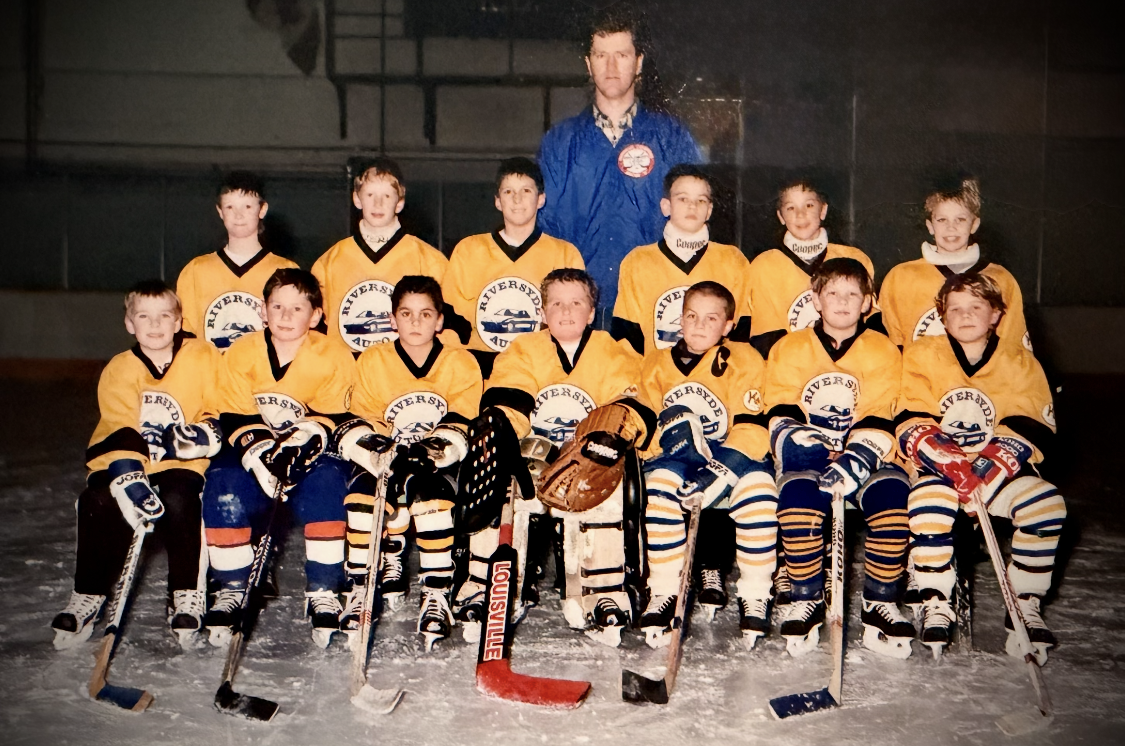
John Bradley was one of the first coaches who really shaped me.
He coached me in my early years, and like a lot of great youth coaches, he was far more than just a hockey coach. He coached our soccer team too, because in those days if you had a whistle and enough patience to survive a group of kids, congratulations—you were now coaching multiple sports.
John was one of the funniest people to be around. He had that perfect mix of humor and honesty where you could be laughing one second and learning something important the next. He made the rink a place you wanted to be, and for a young player, that matters more than people realize.
He had played for the New Westminster Bruins in the WHL, so there was real experience behind everything he taught. He was not just talking hockey, he had lived it.
I grew up with his son Taylor, who was my D partner for years, and both of his boys went on to be WHL draft picks—John Jr. as a first-round pick to the Lethbridge Hurricanes and Taylor in the third round to the Swift Current Broncos.
That family lived the game.
Alongside my dad, John poured into us at a really high level. Looking back now, he was probably the first person who introduced standards before I even understood what standards were.
Show up the right way.
Compete the right way.
Carry yourself the right way.
At that age, you do not call it culture. You just know some things matter and some things do not.
John taught that early, and those lessons stick.
Terry Bangen — The Headmaster of Hockey

Every player has that coach.
The one who could explain the game in a way that made you feel like hockey was less of a sport and more of a secret society you were slowly being invited into.
For me, that was Terry Bangen.
Banger was an assistant coach with the Tri-City Americans when I played junior, and to this day, he remains one of the smartest hockey minds I have ever been around.
His background in education made complete sense, because if hockey had its own version of Hogwarts, Banger would absolutely be the headmaster.
No debate.
He would be walking the halls with a coffee in one hand, whiteboard marker in the other, teaching Defensive Zone Coverage Against the Dark Arts.
Every lesson felt like there was another layer to it.
He did not just tell you where to be.
He explained why.
He taught the game in a way that made you think instead of just react. Systems were not memorized, they were understood.
That sticks with players.
Longevity in hockey usually tells the truth, and Banger’s résumé speaks for itself. Junior hockey, pro hockey, international hockey—he has seen it all, taught it all, and probably diagrammed it on a napkin at some point over bad rink coffee.
But for me, one of his greatest talents was being my first real “Don whisperer.”
Playing for your dad is its own sport.
Sometimes the message gets lost somewhere between coach and father, and occasionally your teenage brain decides neither version sounds reasonable.
Banger had this rare ability to translate.
He could take whatever my dad was trying to get across as head coach, remove all the emotional static, and deliver it in a way I could actually hear.
No offspring angst.
No family politics.
Just hockey.
Honestly, he probably deserved hazard pay for that role alone.
He taught me that coaching is not just about information.
It is about delivery.
The best coaches are not always the loudest.
They are the clearest.
PK O’Handley — Belief Before Confidence

PK O’Handley was an assistant coach my first year in the ECHL with the Florida Everblades, and for a young player trying to figure out where he belonged in pro hockey, he gave me something that mattered more than ice time—belief.
Sometimes the right coach sees something in you before you fully see it yourself.
PK believed I should be back in the IHL at the time, but he also knew belief without work is just a compliment. He was honest enough to tell me I needed to learn how to work first. Not work when you feel good. Not work when things are going your way. Real work. Daily work. Professional work.
That lesson stays with you.
He gave me time. He gave me honesty. And most importantly, he made it clear that potential was not the destination, it was the starting point.
That is a gift for a young player.
What stood out most about PK was how much the defensemen loved playing for him. I have never seen a group admire a coach quite like the D-core in Florida admired PK.
He went to bat for his guys.
He protected his players.
He challenged them.
And he had an Irish temper that always felt like it was about three seconds away from becoming everyone’s problem.
There was always a little spark there.
Like a man who could either calmly explain a breakout or flip a garbage can depending on how the first period went.
Usually both.
Players respect that when they know it comes from care.
PK taught me that players do not need a coach to be easy.
They need a coach to be real.
Scott Arniel — Presence Matters
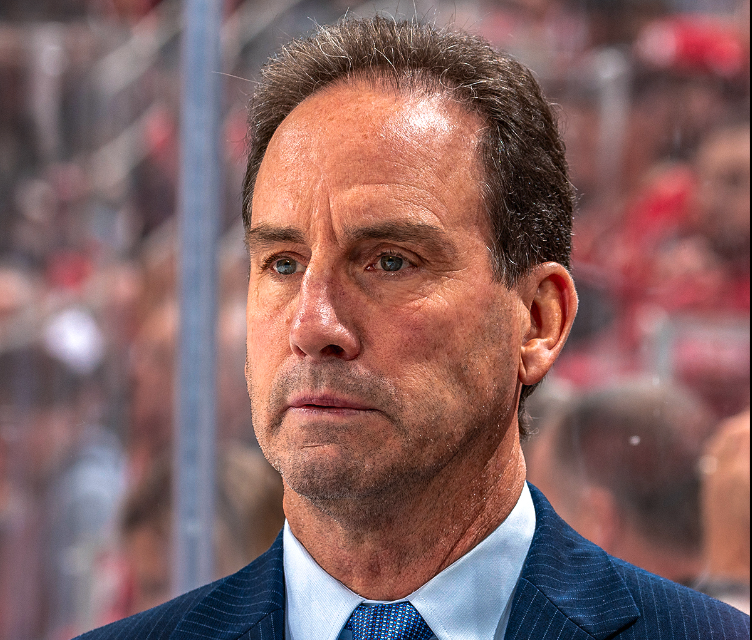
Scott Arniel was an assistant with the Manitoba Moose when I played in Winnipeg, and he had something that a lot of coaches spend their whole careers trying to figure out—presence.
He could walk into a room and make everyone pay attention without ever needing to raise his voice.
He was sharp. Really sharp.
One of the brightest hockey minds I have ever been around, but what stood out most was how he communicated. He could speak to you like you were the only person in the room.
That matters.
Players remember that.
In a world where everyone is fighting for attention, a coach who can make you feel seen carries real weight.
He had a great sense of humor too, and those quick one-liners that would cut through tension in the room without making it feel forced. Some coaches command respect through volume. Scotty did it through confidence and clarity.
He had played the game at the NHL level, so there was immediate credibility there, but he never leaned on that. He taught from experience without making it about himself.
That is a skill.
Now seeing him as the head coach of the Winnipeg Jets and only a season removed from winning the Presidents’ Trophy, it makes complete sense.
Some people just have it.
Scotty had it.
He taught me that leadership is not always loud.
Sometimes it is simply being the calmest person in the room.
Bob Bassen — Teach, Don’t Tell
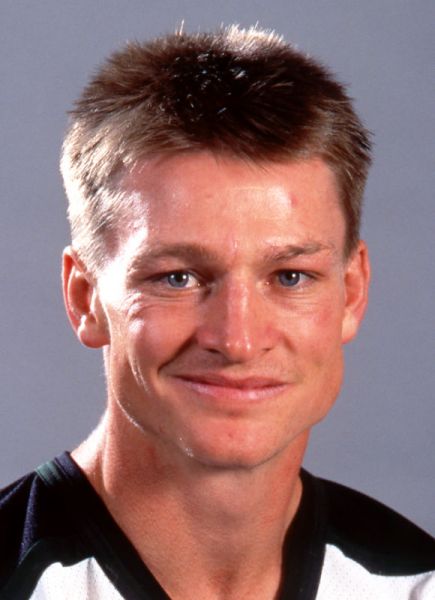
Bob Bassen was an assistant coach when I played in Salt Lake City with the Utah Grizzlies, and he was another one of those rare people who could make you feel better just by being around him.
Some coaches carry authority.
Bob carried peace.
He was personable, caring, and one of those genuinely high-character people that players gravitate toward because there is no performance to it. What you saw was what you got.
And what you got was quality.
He had played in the NHL, had the résumé, had the credibility, but like the best former players, he never needed to remind you of it. He taught instead of told.
That distinction matters.
Players can feel when a coach is trying to impress them versus trying to help them.
Bob always felt like the second one.
He was also another “Don whisperer,” which apparently should have been listed as an official assistant coaching qualification somewhere along the way.
He had a way of helping translate the message without the extra noise, and he did it with patience, humor, and trust.
That was his strength.
He made hard conversations feel manageable.
He made coaching feel human.
Bob taught me that knowledge matters, but delivery matters more.
Players do not remember the smartest coach.
They remember the one who made them better and made them feel like they mattered.
Derek Laxdal — Real Conversations Matter
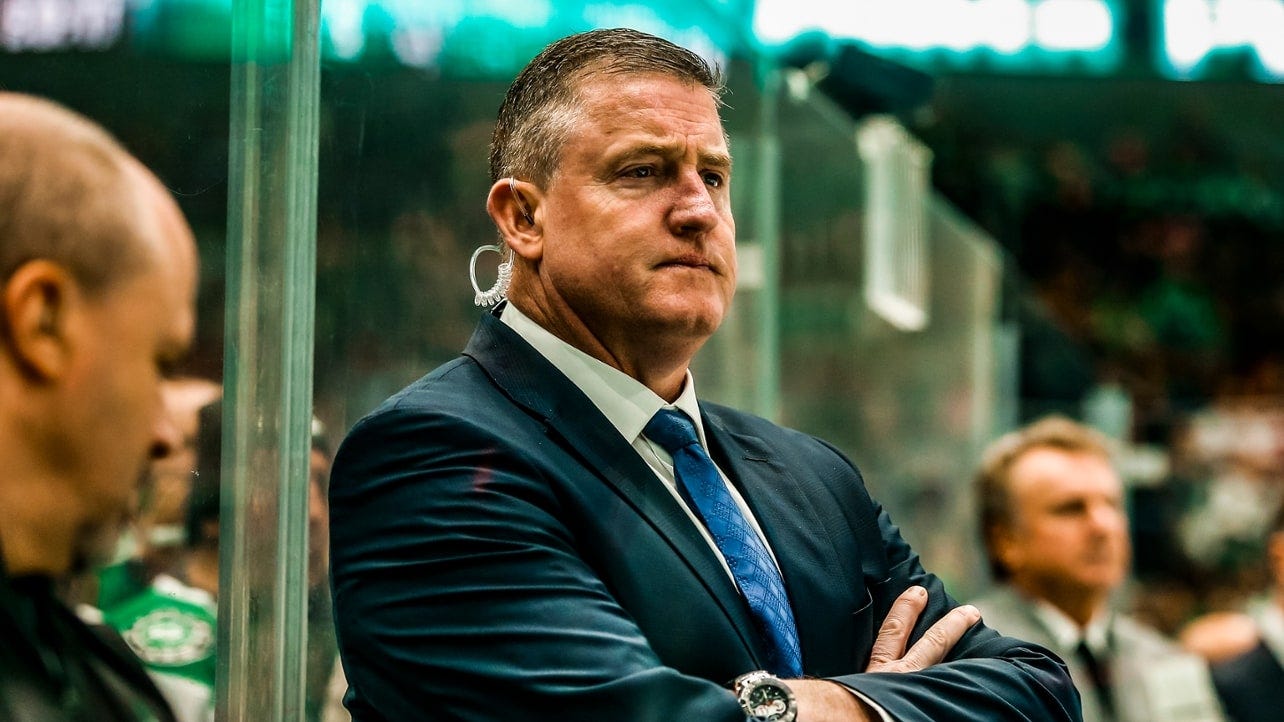
Derek Laxdal was my coach with the Idaho Steelheads, where we won a Kelly Cup in 2007, and he was exactly the right coach for that chapter of my life.
By your late twenties, coaching changes.
You do not need someone teaching you how to tape your stick.
You need honesty.
You need accountability.
You need someone willing to have real conversations.
Laxy was that guy.
I respect Derek as much as anyone I have been around in the game because of how prepared he was and how hungry he was to improve—not just himself, but the entire group.
Nothing felt accidental.
He coached with intention.
Every meeting, every detail, every standard had purpose behind it.
And players feel that.
Preparation creates trust.
He also encouraged me to go to Europe, which ended up being an important step in my career. Sometimes the best coaches are the ones willing to help you leave, because they care more about your path than their own convenience.
That says a lot about a person.
He had real conversations, the kind you appreciate more ten years later than you did in the moment.
The kind that make you uncomfortable because they are honest.
The kind that help you grow.
As a guy who has won at multiple levels, it is easy to see why.
Players will work for coaches they trust.
They will run through walls for coaches who tell them the truth.
Laxy taught me that.
Clayton Beddoes — Work Time Is Work Time
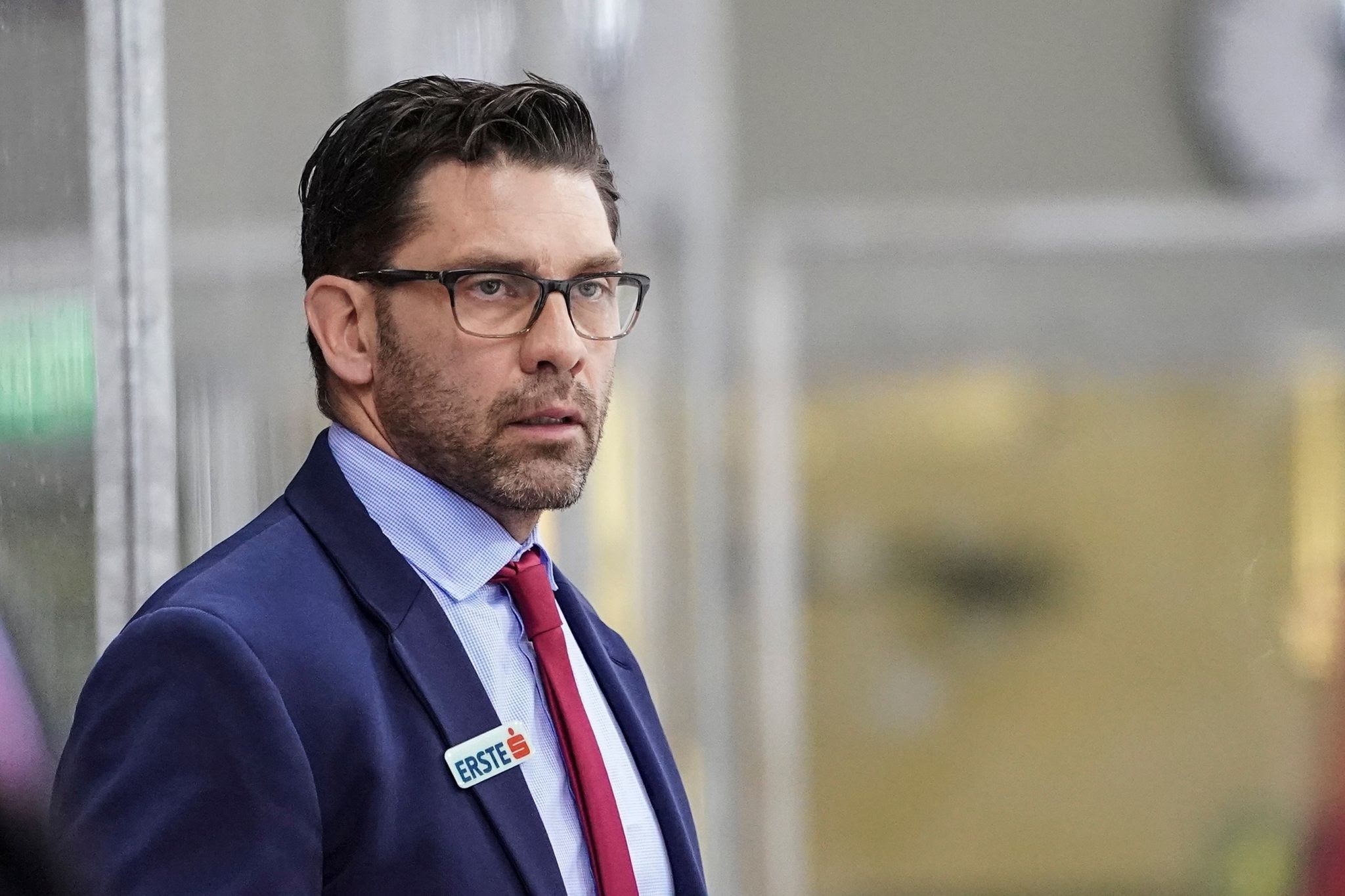
Clayton Beddoes was my coach in Italy, and if intensity could be bottled and sold, he would probably own half the hockey world by now.
He is currently an assistant coach with the Seattle Torrent of the PWHL, and honestly, that makes perfect sense. Clayton lives the game with a level of focus and professionalism that demands respect.
He was one of the most intense humans I had ever been around, but what stood out most was not the intensity—it was the separation.
He had this incredible ability to leave the rink at the rink.
Inside the arena, it was time to work.
Standards were high.
Expectations were clear.
Excuses had a very short shelf life.
When you walked into that building, the job mattered and everyone knew it.
But outside the rink?
Different person.
We would see him around Cortina with his family, relaxed as a mid-day Aperol spritz, and it was a reminder that professionalism is not about carrying stress everywhere you go. It is about knowing when to demand and when to breathe.
That balance is hard.
Clayton mastered it.
He was also one of the best teachers of every position on the ice, which was rare for a guy whose career was spent as a forward. Defensemen respected him because he could teach details, not just theory.
That mattered.
He taught me that professionalism is not about being serious all the time.
It is about knowing exactly when serious is required.
Work time was work time.
And that standard never moved.
Don Hay — The Root System
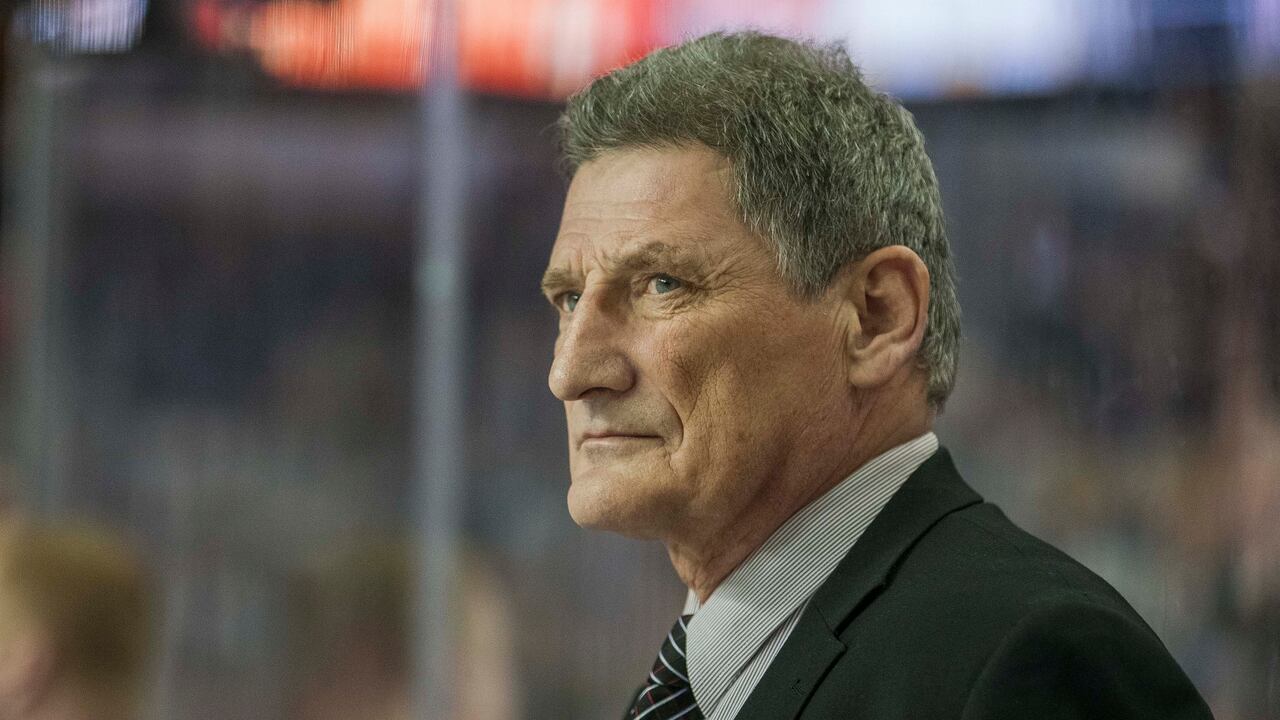
And then there is my dad, Don Hay.
The most influential person I have ever been around.
The biggest reason I was able to play as long as I did.
And the foundation underneath almost everything I believe about coaching.
Playing for your father is complicated.
People love the idea of it from the outside, but living it is different. There is no separation between coach and dad. Sometimes the car ride home feels like a video review session with slightly better snacks.
Expectations are higher.
Standards are sharper.
And excuses usually die before they leave your mouth.
But underneath all of that was teaching.
Constant teaching.
My dad taught the game at a level very few people ever will. Not just systems, but details. Habits. Timing. Positioning. The small things that separate players who play from players who last.
He taught me how to think the game.
That is the gift.
He also taught me that standards are not personal.
Accountability is not anger.
Demanding more from people is often another form of believing in them.
That lesson takes years to fully understand.
As I have gotten older and moved deeper into coaching myself, I appreciate it even more. You start realizing how much of your own voice sounds familiar.
A phrase.
A correction.
A standard.
And suddenly you realize you are coaching with borrowed language.
Probably against your teenage wishes.
He gave me the foundation.
The root system.
And everything I have built since has grown from there.
Closing — Borrowed Language
The older I get, the more I realize coaching is borrowed language.
It is the sum of the people who have poured into you.
There is a piece of this guy.
A dash of that guy.
A phrase from one coach.
A standard from another.
A lesson you hated at sixteen and quote daily at forty.
It is like a great recipe that gets handed down through generations—tweaked, adjusted, refined, and eventually it becomes your own.
Not because you invented it.
Because you respected it enough to carry it forward.
That wisdom gets passed along to your players the same way.
Like a folk tale.
Like a story worth repeating.
Something simple that sticks.
Keep your feet moving.
Details matter.
Be a good teammate.
FIO.
Do it right the first time.
Years later, they may not remember the drill.
But they will remember the lesson.
And if you are lucky, one day they catch themselves saying the same thing to someone they are trying to help.
That is the gift of coaching.
Not banners.
Not trophies.
Not records.
Not rings.
Being part of someone’s journey long after they leave your locker room.
That is legacy.
And those wise enough to listen?
They get to carry it forward too. 🏒
About the Author
Darrell Hay has learned that some of the best lessons in life happen somewhere between the the boards—usually after a bad turnover, a missed backcheck, or explaining to your coach that "I had my guy," when returning to the bench after getting scored on. Much of what he teaches today is borrowed language, built from the coaches, teammates, and mentors who shaped his path and helped him understand the game far beyond the X’s and O’s. He coaches because someone once took the time to pour into him, and if he is lucky, maybe somewhere down the road a player will hear his voice in their own journey and remember where it started.
